












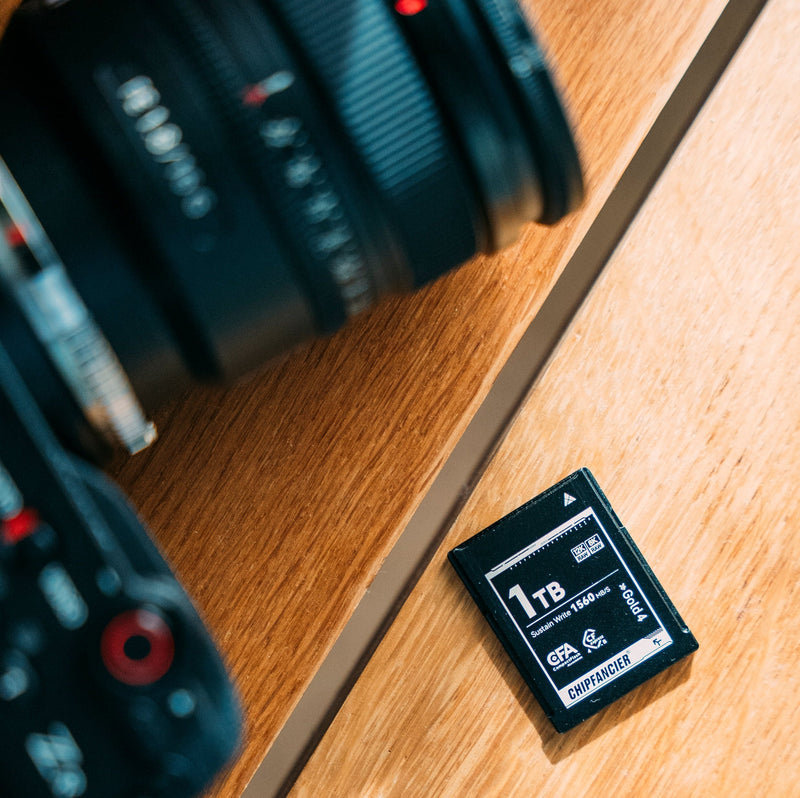
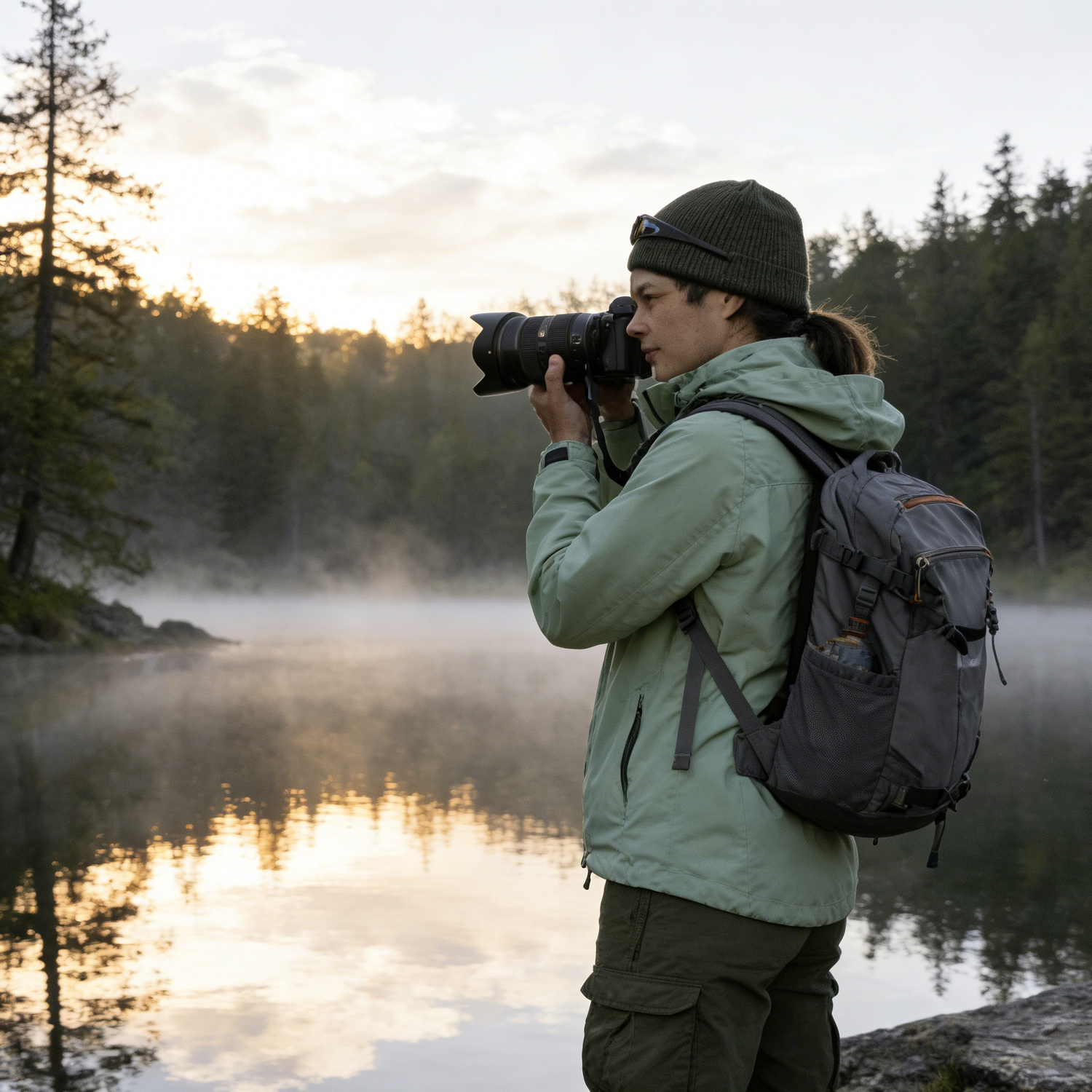
Landscape photography is about more than capturing scenery. It is about understanding light, timing, and composition to tell the story of a place. From dramatic canyons to coastal landmarks and geothermal landscapes, the United States offers some of the most diverse environments for travel photography and outdoor photography.
Grand Canyon Photography Tips
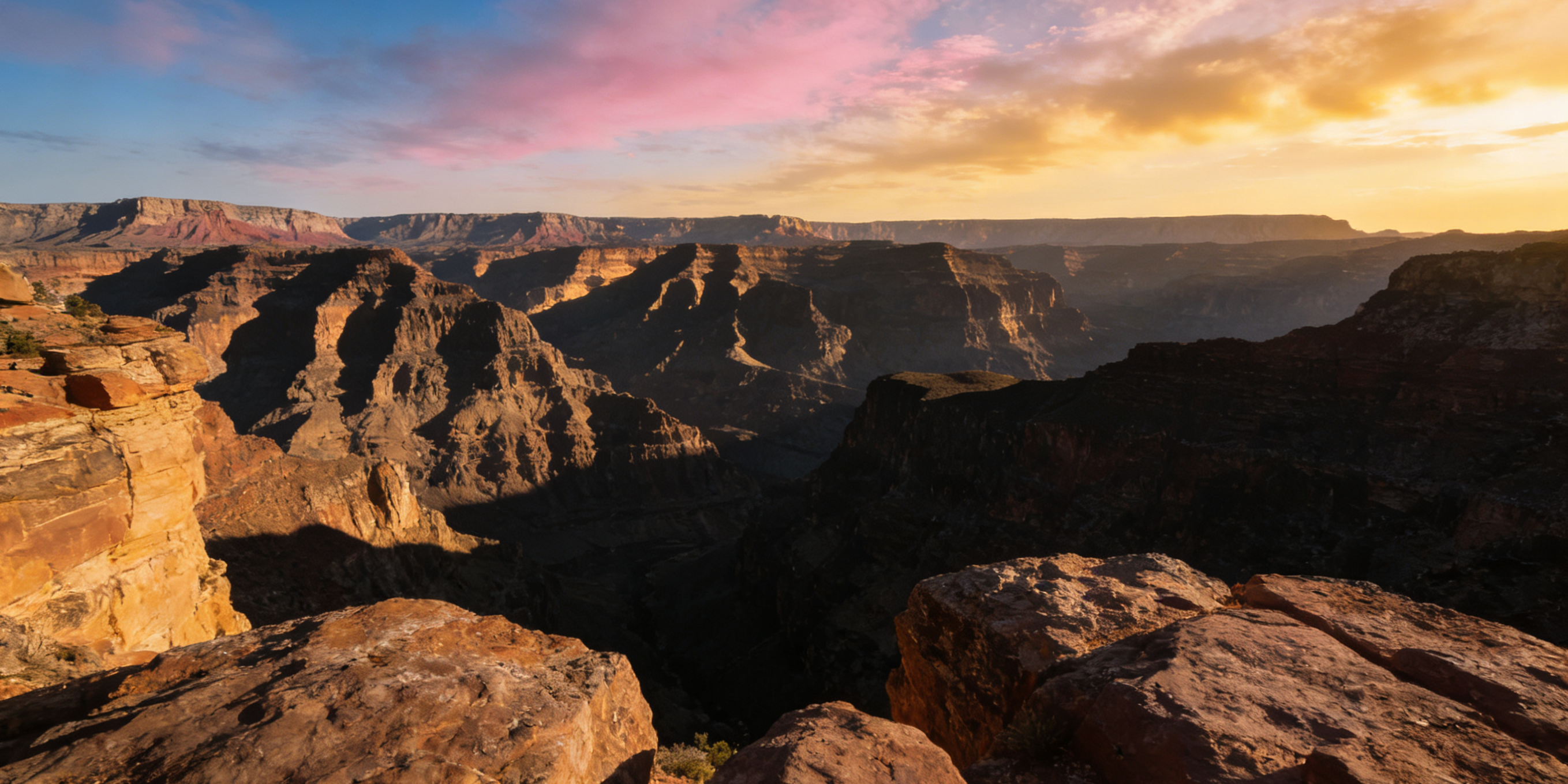
The Grand Canyon is one of the most iconic subjects in landscape photography. Formed over millions of years by the Colorado River, its layered rock formations reveal geological history on a massive scale. The changing light throughout the day transforms the canyon, making it one of the best locations for sunrise and sunset photography.
For the strongest results, shoot during golden hour when low-angle light enhances texture and depth across the canyon walls. Popular viewpoints such as Mather Point and Yavapai Point offer wide panoramic compositions. A wide-angle lens helps capture scale, while including foreground rocks adds depth to your composition. Bracketing exposures is also recommended due to the extreme dynamic range between the bright sky and deep canyon shadows.
Yosemite National Park Photography Guide
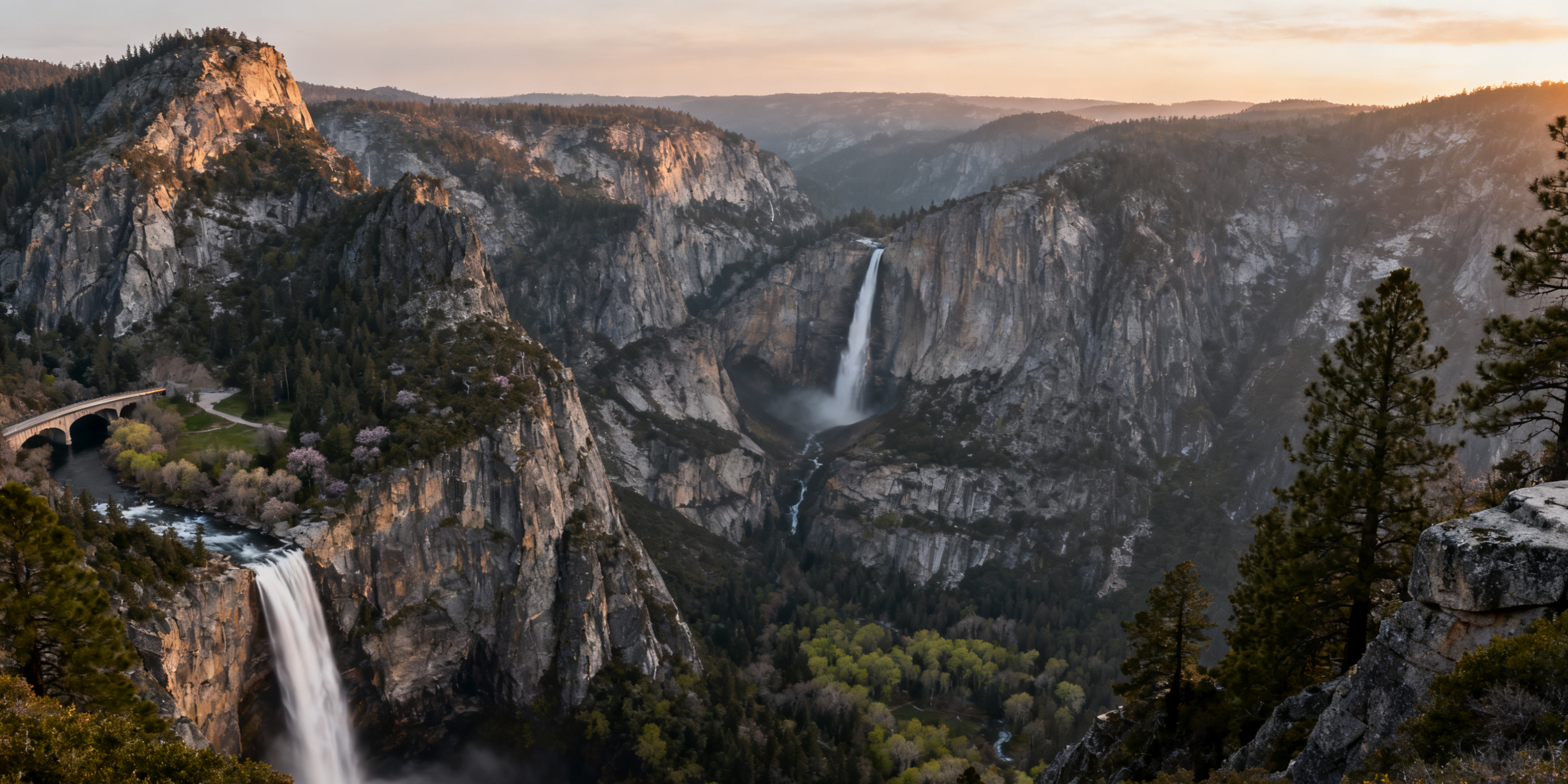
Yosemite National Park is one of the most important destinations in the history of landscape photography, famously documented by Ansel Adams. Its granite cliffs, waterfalls, and forests create a powerful environment for nature photography and fine art photography.
Tunnel View is ideal for capturing a balanced composition of cliffs, valley, and waterfalls, especially during sunrise or golden hour. Glacier Point provides a high vantage point that works well with mid-telephoto lenses for layered landscape compression. In spring, waterfalls are at their strongest, and using a neutral density (ND) filter allows for long exposure photography to create smooth water motion. In autumn, warm light enhances the textures of granite and forest color contrast.
Golden Gate Bridge Photography Tips
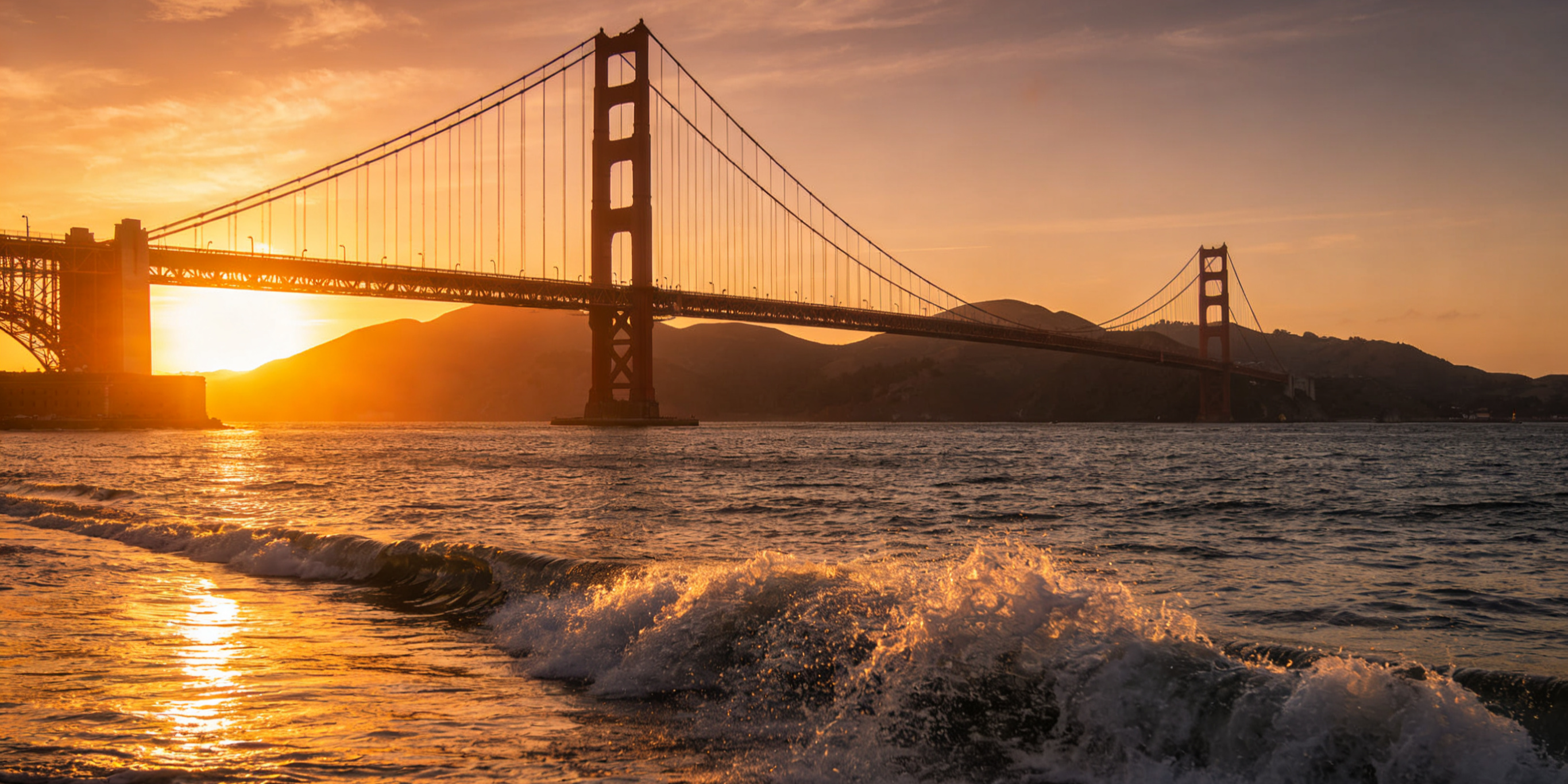
The Golden Gate Bridge is one of the most photographed landmarks in the world and a classic subject for urban landscape photography. Its dramatic structure combined with San Francisco’s coastal fog creates constantly changing atmospheric conditions.
Foggy mornings are ideal for cinematic, low-contrast images, while sunset provides warm tones that highlight the bridge’s architecture. Battery Spencer offers elevated panoramic views, while Marshall’s Beach allows for creative low-angle compositions with waves in the foreground. Fort Point is ideal for architectural framing beneath the structure. A circular polarizer (CPL) filter helps reduce reflections and improve contrast in water and metal surfaces.
Yellowstone National Park Photography Guide
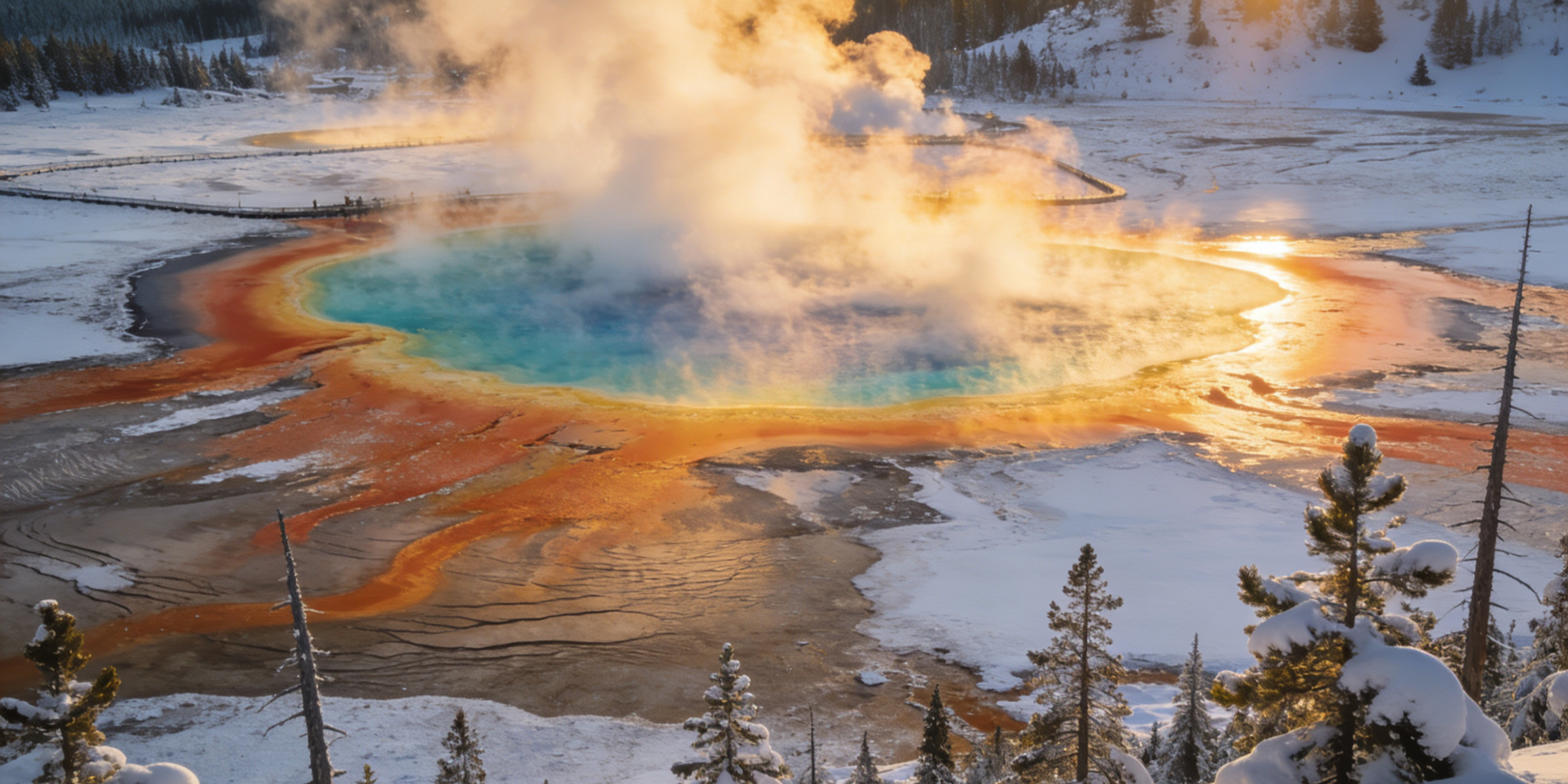
Yellowstone is one of the most unique locations for wildlife photography and geothermal landscape photography. Sitting on top of a volcanic system, it features geysers, hot springs, and colorful mineral formations. The Grand Prismatic Spring is one of the most visually striking natural subjects in the world.
For the best results, shoot early in the morning when sunlight enhances color saturation and steam creates atmospheric depth. Wildlife photography is most effective during dawn and dusk when animals are most active and side lighting enhances texture. A telephoto lens is essential for safe and detailed wildlife capture. In winter, rising steam against cold air creates surreal and dramatic compositions.
Essential Gear for Landscape Photography
Successful travel and landscape photography depends heavily on preparation and equipment. Different lighting conditions and environments require flexibility in both composition and gear selection.
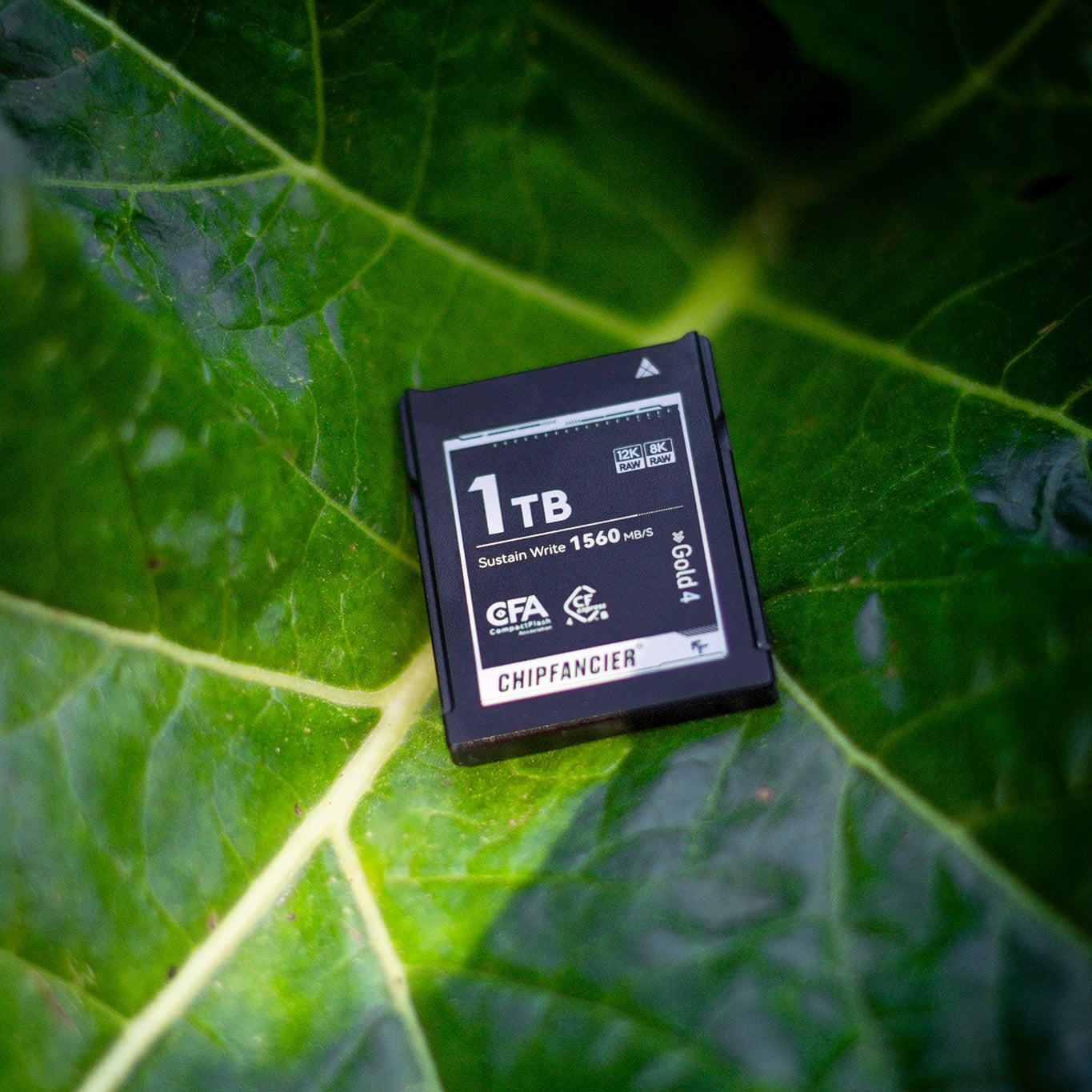
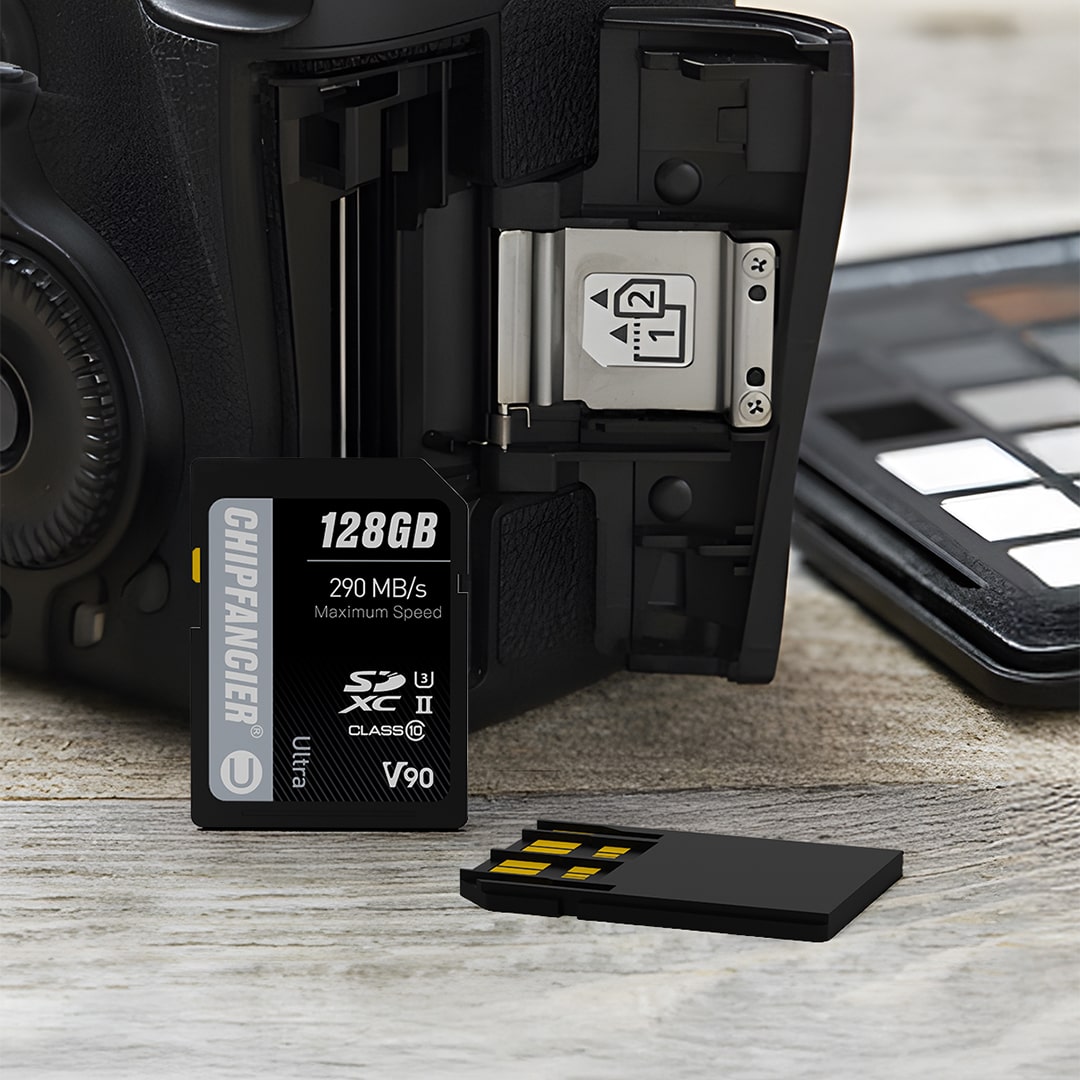
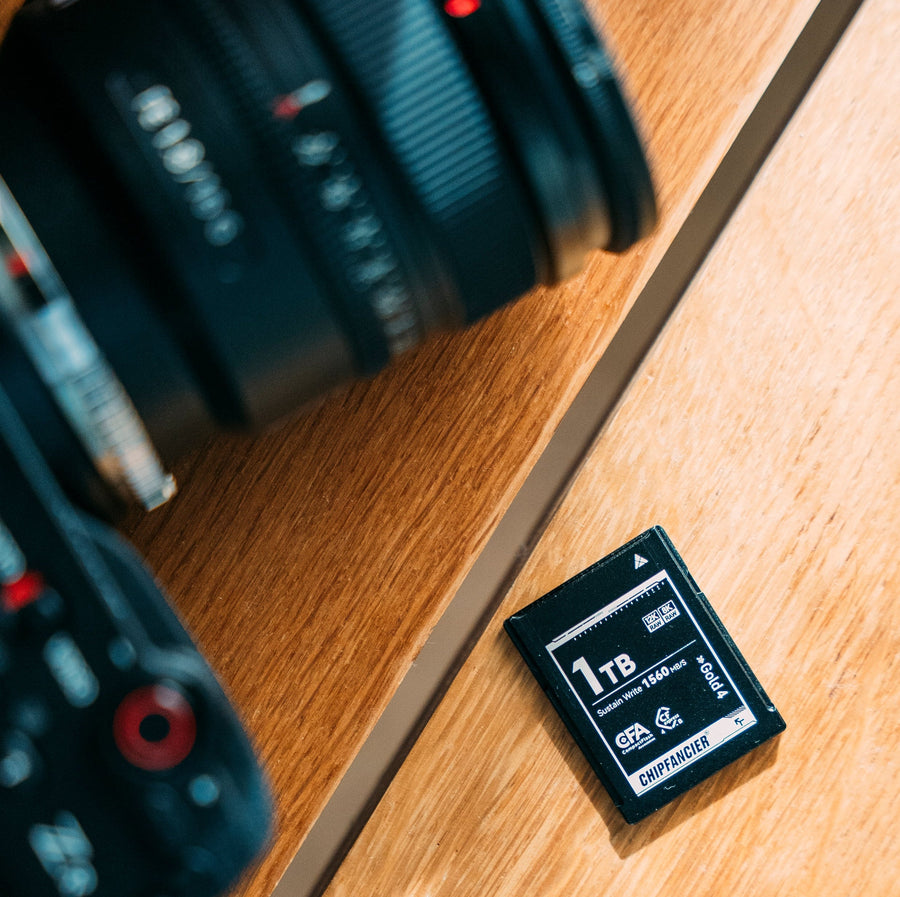
Recommended gear includes a wide-angle lens for expansive landscapes, a telephoto lens for distant subjects and compression, and a sturdy tripod for long exposure photography. ND and CPL filters help control exposure and reflections in challenging lighting conditions. High-speed, high-capacity memory cards are essential for handling large RAW files, especially during continuous shooting or video capture. Additional essentials include backup batteries, weather protection, and a lightweight hiking backpack for outdoor shooting.
Conclusion
Landscape photography is about understanding how light, environment, and timing work together. Whether capturing the depth of the Grand Canyon, the natural grandeur of Yosemite, the atmospheric fog of the Golden Gate Bridge, or the geothermal colors of Yellowstone, each location offers a unique photographic story.
Great travel photography comes from patience, observation, and the ability to respond to changing conditions. With the right composition techniques, timing, and reliable gear, every scene can become a powerful visual story that captures not just what a place looks like, but what it feels like to be there.