

In modern photography, continuous shooting performance is crucial for professional photographers and video creators. Whether capturing sports events, wildlife, or fast-moving subjects, the smoothness and consistency of burst shooting directly influence the quality of the final images. One of the key factors that determines this performance is the write speed of the memory card.

Introduction
Every photographer knows the frustration of pressing the shutter button and watching the camera freeze mid-shoot because the buffer is full. You’re trying to capture a fast-moving subject, but the camera pauses, and a decisive moment slips away. The reason often comes down to the memory card’s write speed.
Write speed determines how quickly your camera transfers image data from its internal buffer to the card. The faster the card, the quicker the buffer clears—allowing you to keep shooting without interruption. Understanding how different card types handle this process helps you choose the right one for your workflow.
1. Understanding Write Speed and Continuous Shooting
To understand how write speed affects continuous shooting, it helps to first know how modern digital cameras handle image data. Every time you press the shutter button, your camera’s sensor captures a large amount of data — especially when shooting in RAW format or high bit-rate video. This data is temporarily stored in the camera’s internal buffer, a fast but limited memory area designed to hold data before it’s transferred to the memory card.
The write speed of the memory card determines how quickly the data in the buffer can be written to storage. If the card can write data faster than the camera produces it, the shooting process continues seamlessly. But if the write speed cannot keep up, the buffer fills up quickly. Once it’s full, the camera must pause to clear space, resulting in reduced burst rates and interruptions in shooting.
This is why two cameras with identical sensors may perform very differently when paired with different types of memory cards. The storage medium becomes the bottleneck.
2. How Write Speed Affects Burst Shooting
Burst shooting captures a rapid sequence of images in a short time. During this process, your camera constantly fills and clears the buffer. A slow card causes the buffer to reach capacity quickly, leading to pauses and reduced burst rates. A faster card writes data almost instantly, ensuring smooth, uninterrupted shooting.
For photographers capturing action, sports, or wildlife, this difference can determine whether you catch the perfect frame or miss it entirely.

3. Why Write Speed Matters Beyond Burst Shooting
Write speed impacts more than continuous photography. It affects how fast your camera recovers after a long burst, how soon you can review your shots, and how quickly data transfers to your computer.
After an intensive shoot, slower cards may take several seconds—or even minutes—to finish saving files, delaying your ability to switch modes or start recording again. In high-bitrate 4K or 8K video, insufficient write speed can cause dropped frames or recording failures. For reliability, it’s essential to consider sustained write speed, not just peak numbers.
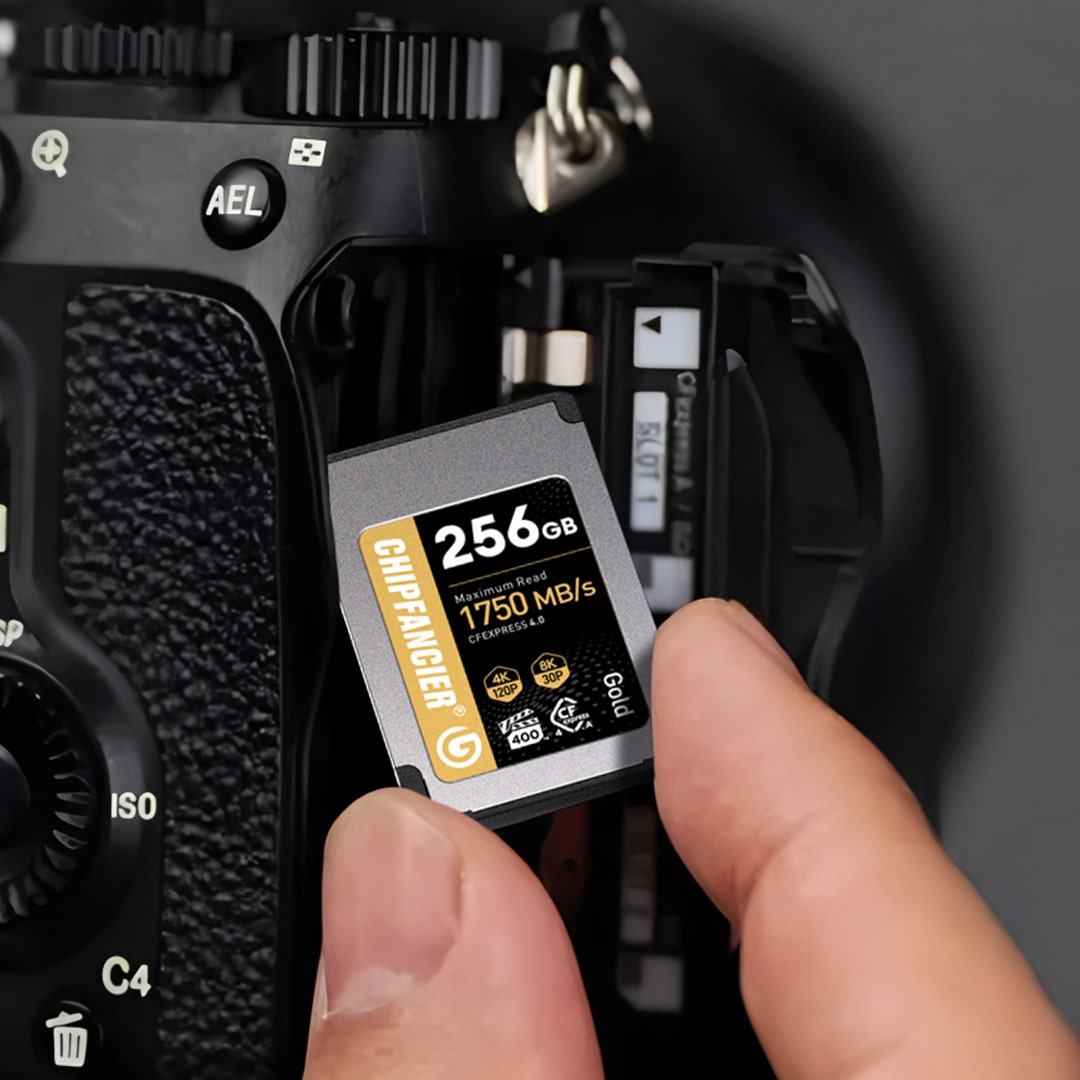
CFexpress Type A
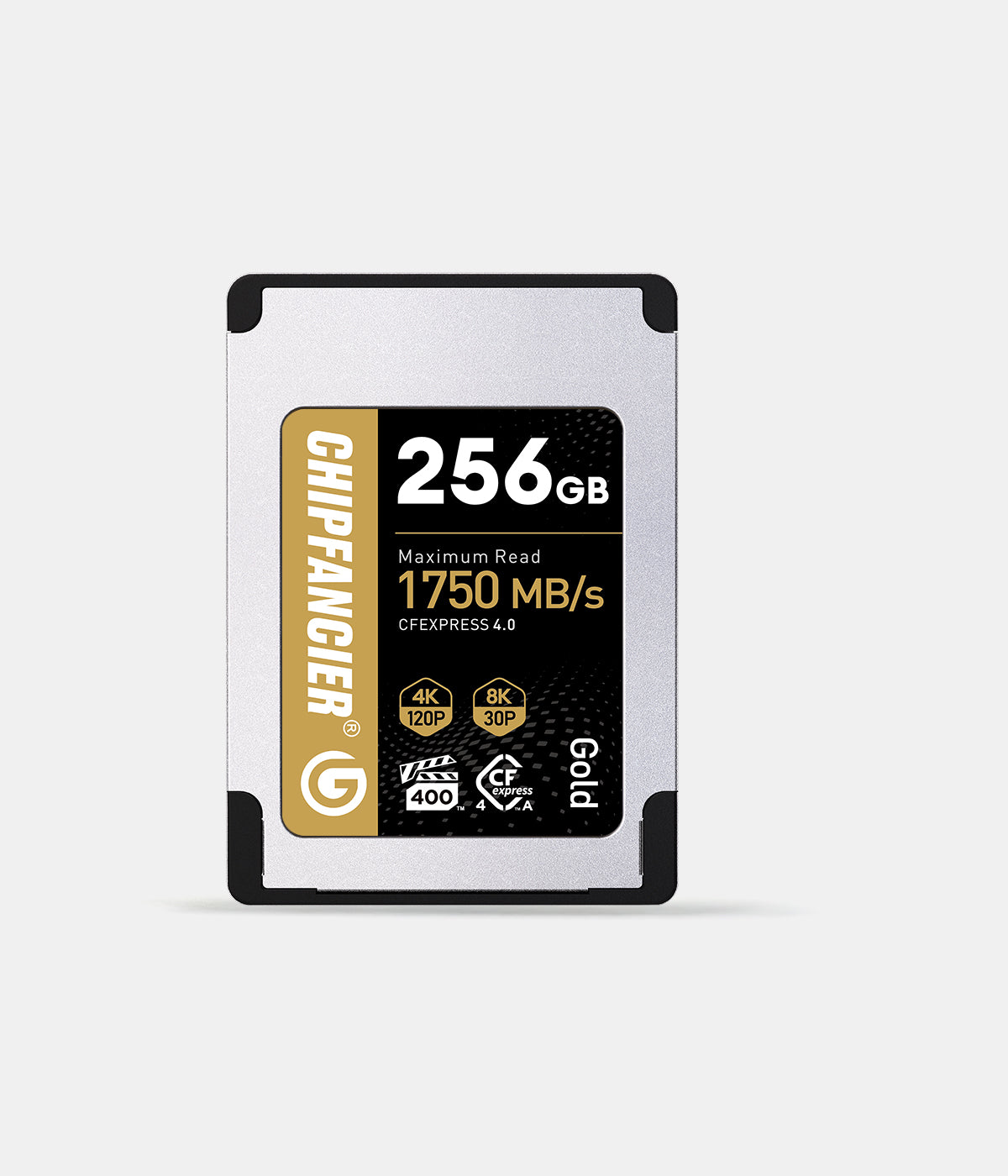
CFexpress Type A cards combine compact design with professional-grade speed. Built on the PCIe Gen4 interface and NVMe protocol, they reach real-world write speeds around 1750 MB/s. This makes them ideal for hybrid shooters who record both high-speed stills and high-resolution video.
Their consistent performance ensures the buffer clears quickly, allowing long bursts without lag. Though smaller than Type B cards, they maintain excellent durability and thermal stability—perfect for creators who value both portability and power.
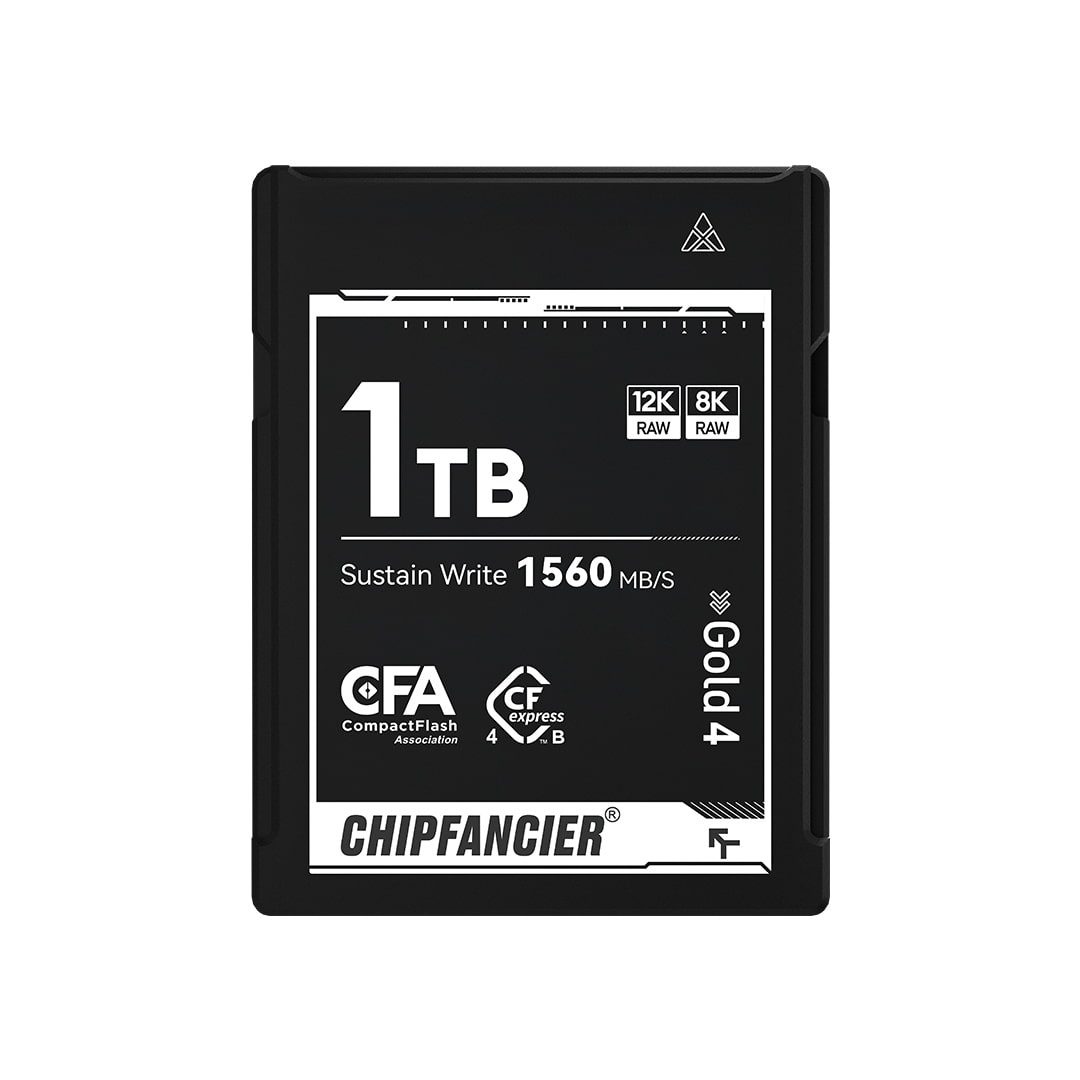
CFexpress Type B
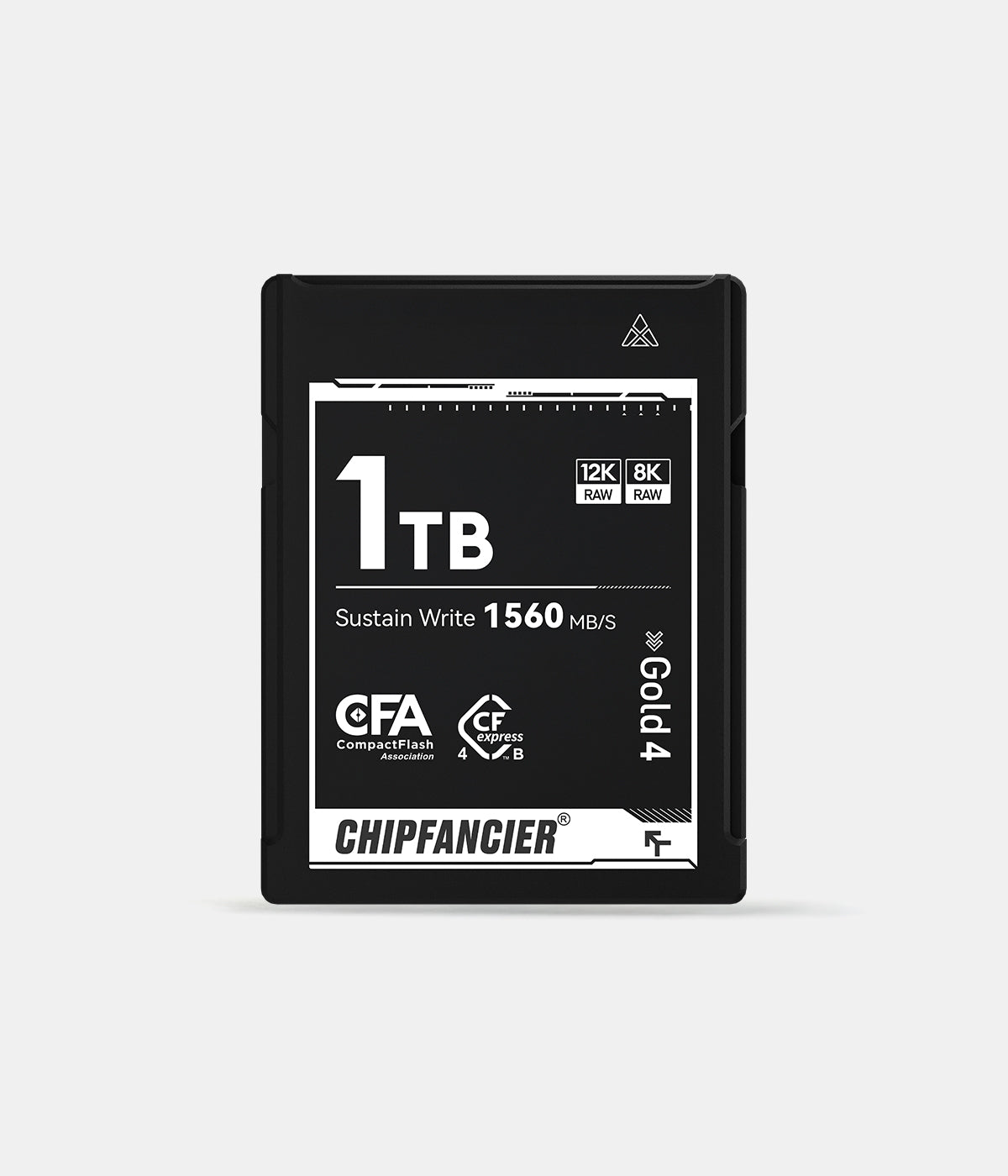
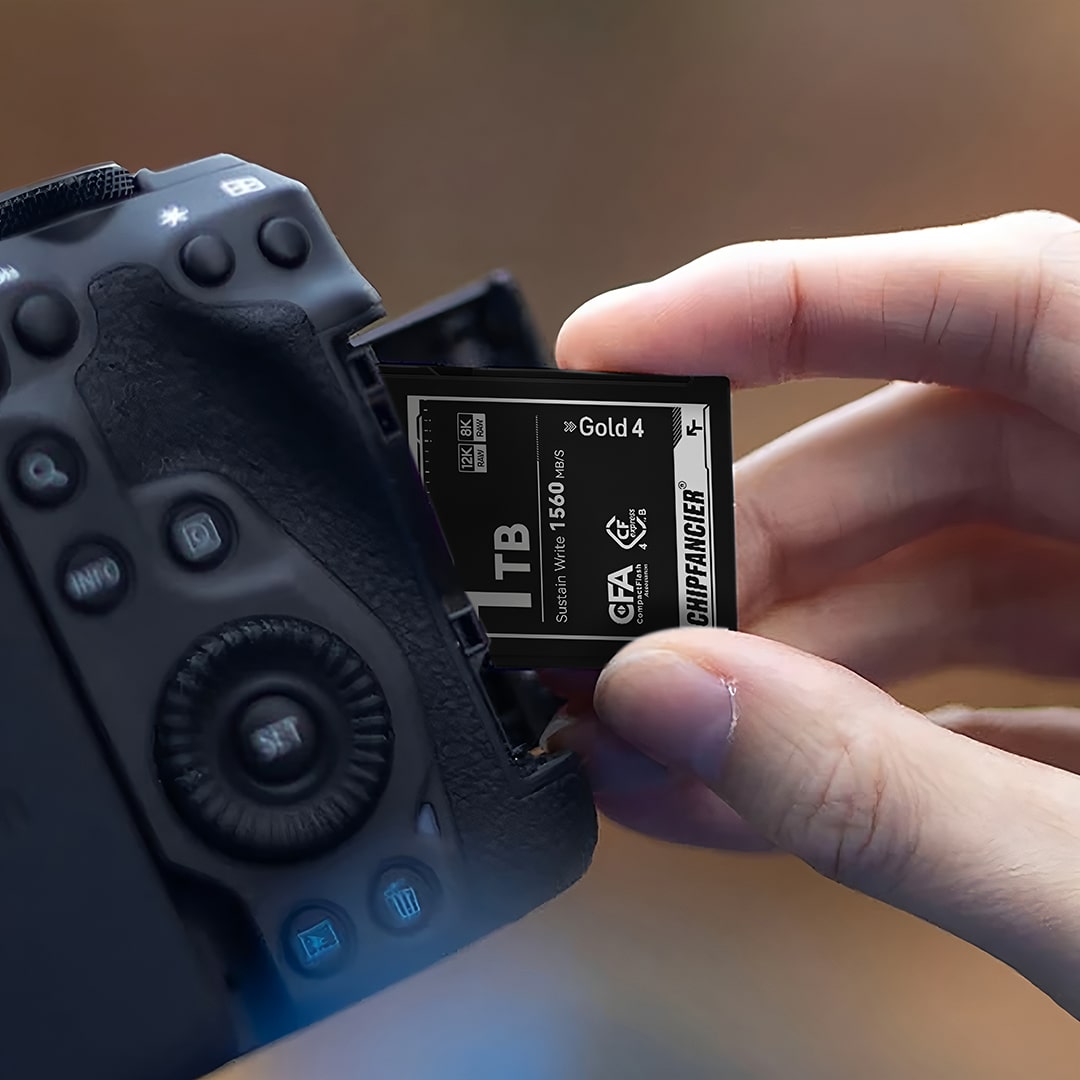
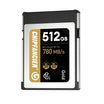
CFexpress Type B cards represent the current performance benchmark for high-end cameras. Using a dual-lane PCIe interface, they achieve write speeds up to 2920 MB/s, delivering exceptional speed and stability even under demanding workloads.
This level of performance allows for uninterrupted 8K RAW video recording and extended burst sequences without buffering delays or overheating. They’re built for professionals in sports, commercial, and cinematic production who demand absolute reliability and seamless post-production efficiency.
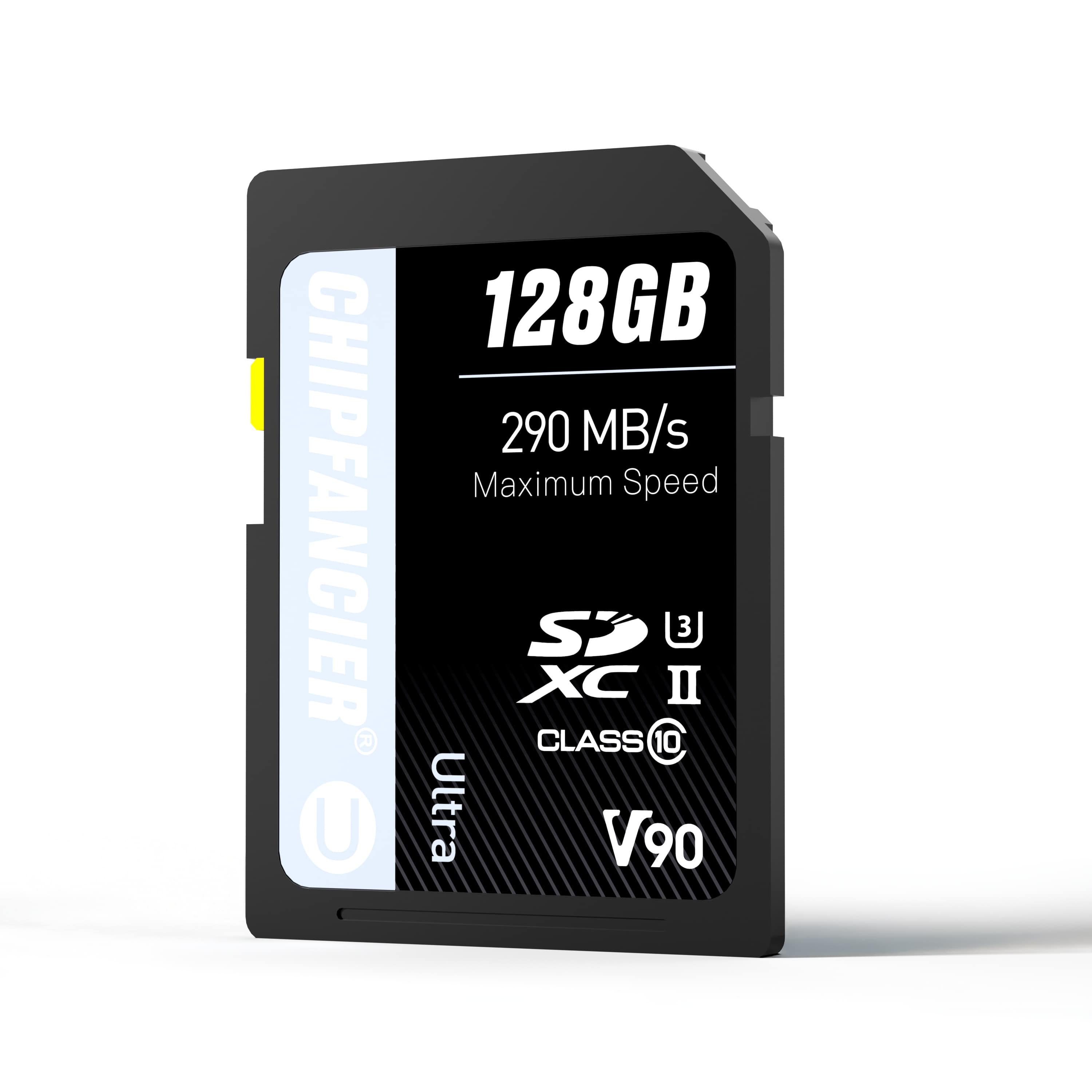
SDXC UHS-II V90
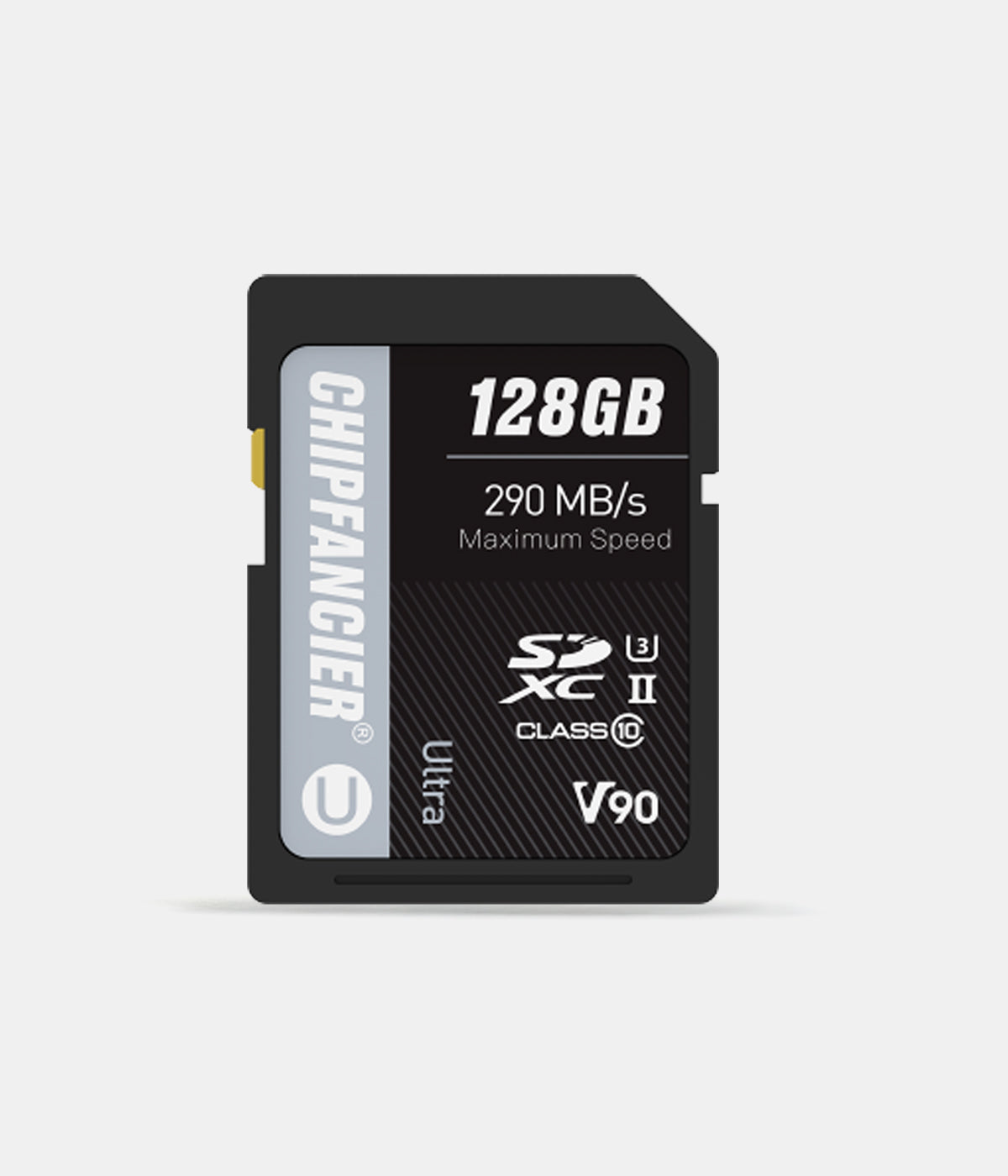
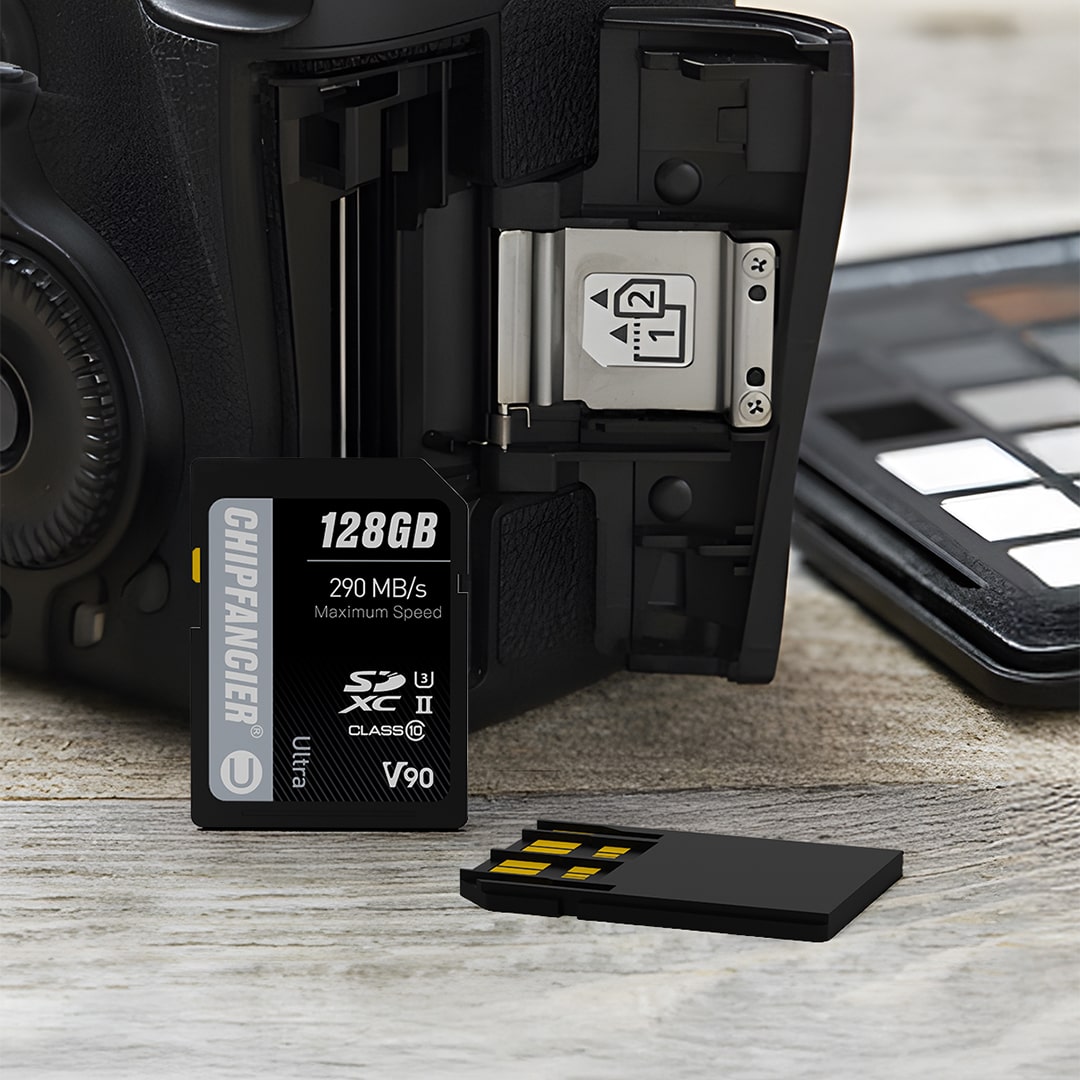
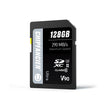
SDXC UHS-II V90 cards remain one of the most versatile storage solutions available. With sustained write speeds up to 290 MB/s, they deliver dependable performance for 4K and 6K video, time-lapse, and moderate burst photography.
While not as fast as CFexpress cards, their universal compatibility with most cameras, drones, and camcorders makes them an ideal choice for creators managing multiple devices. They strike a balance between reliability, cost-efficiency, and broad usability.
4. Buffer Size, File Format, and Performance
Buffer capacity and file format both influence shooting performance. Larger buffers can temporarily store more data, but even they will fill quickly if paired with a slow card. Shooting in RAW format produces large files that require faster write speeds, while JPEG or HEIF formats are less demanding. Similarly, higher video bitrates—such as 8K RAW—require faster, more stable cards.
In practice, the smoothness of your shooting experience depends on the synergy between buffer size, file format, and card write speed.
5. Balancing Speed, Reliability, and Performance
The write speed of a memory card defines how efficiently your camera performs under pressure. It affects burst length, responsiveness, and workflow speed.
- CFexpress Type B offers the highest level of performance for 8K and high-speed professional use.
- CFexpress Type A provides an ideal balance of portability, speed, and sustained reliability for hybrid creators.
- SDXC UHS-II V90 remains a dependable and accessible choice for photographers needing compatibility and consistency.
Choosing the right card ensures your camera operates at its full potential. For professionals who depend on precision and timing, investing in a fast and reliable memory card is just as vital as choosing the right camera.