SD V90 vs CFexpress: The Most Underrated Upgrade for Creators

Choosing the right memory card is becoming increasingly important in modern photography and video production. As camera resolutions and video bitrates continue to increase, storage performance directly affects shooting stability, workflow efficiency, and overall production experience.

Today, SD V90 cards and CFexpress cards are two of the most widely used professional storage solutions. Each has its own strengths, but they serve different types of creators and production needs.

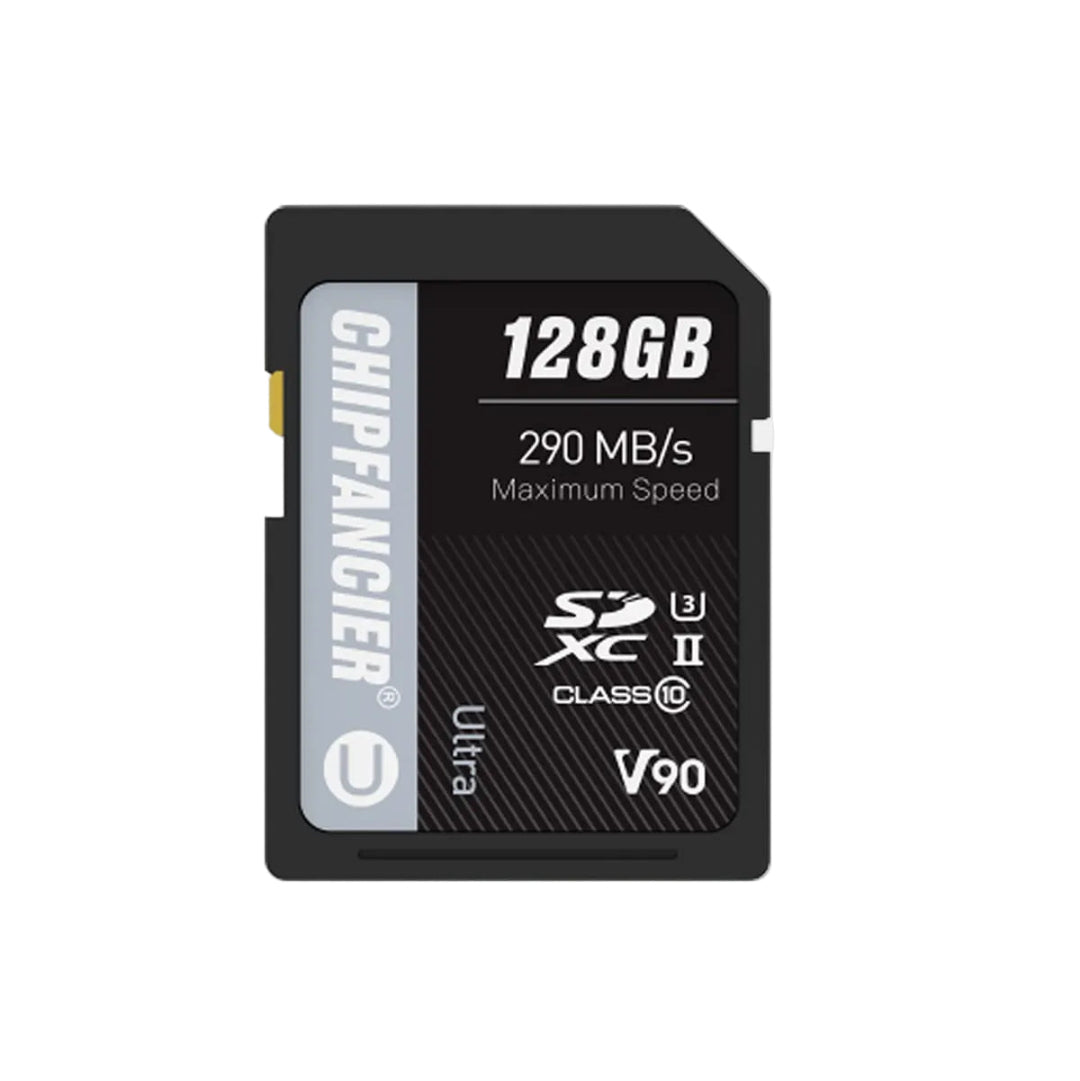
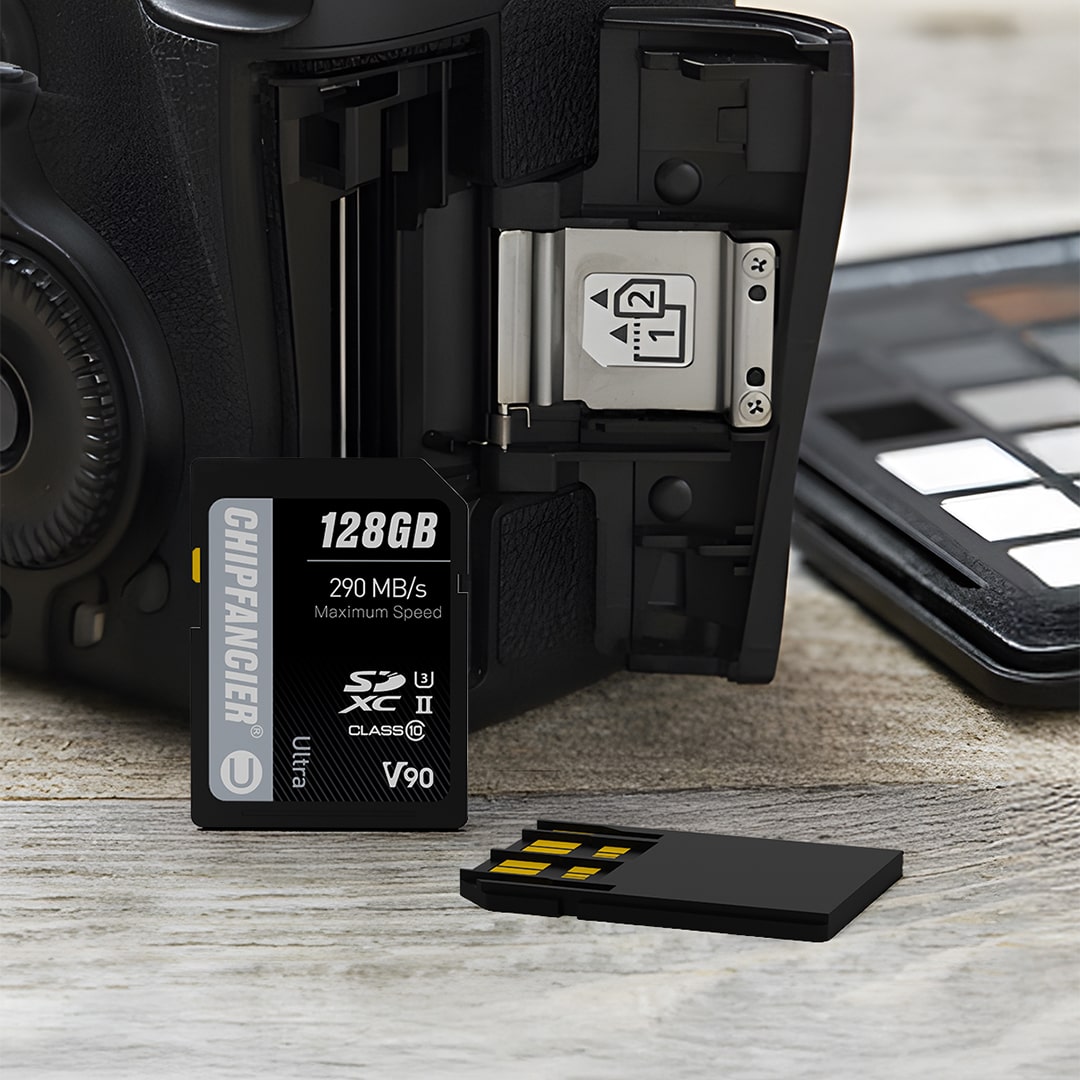
Why SD V90 Memory Cards Are Still the Mainstream Choice

SD cards remain the most widely used memory card format in photography and video production. From entry-level mirrorless cameras to professional systems, SD card compatibility is nearly universal, making it one of the most convenient and accessible storage options.

High-performance SD V90 memory cards offer a minimum sustained write speed of 90MB/s, which is sufficient for 4K video recording, continuous photography, and general content creation workflows. For most photographers, filmmakers, and hybrid creators, SD V90 cards provide a stable and reliable balance of performance and compatibility.

Because of their wide camera support, ease of use, and mature ecosystem, SD V90 cards are still the default choice for many users, especially in everyday photography and standard video production workflows.

Why High-End Video Production Is Pushing SD Cards to Their Limits

As modern content creation evolves toward higher resolution and higher bitrate recording, SD V90 memory cards are starting to show performance limitations in more demanding workflows.

Common challenges include longer buffer clearing times during continuous shooting, reduced stability during high-bitrate video recording, slower file transfers after long shooting sessions, and increased wait times when handling large media files.

In many cases, these limitations are not caused by the camera itself but by the storage medium. The memory card becomes the bottleneck in the workflow, especially in professional video production environments.

This is one of the key reasons many creators are upgrading from SD V90 to CFexpress memory cards.

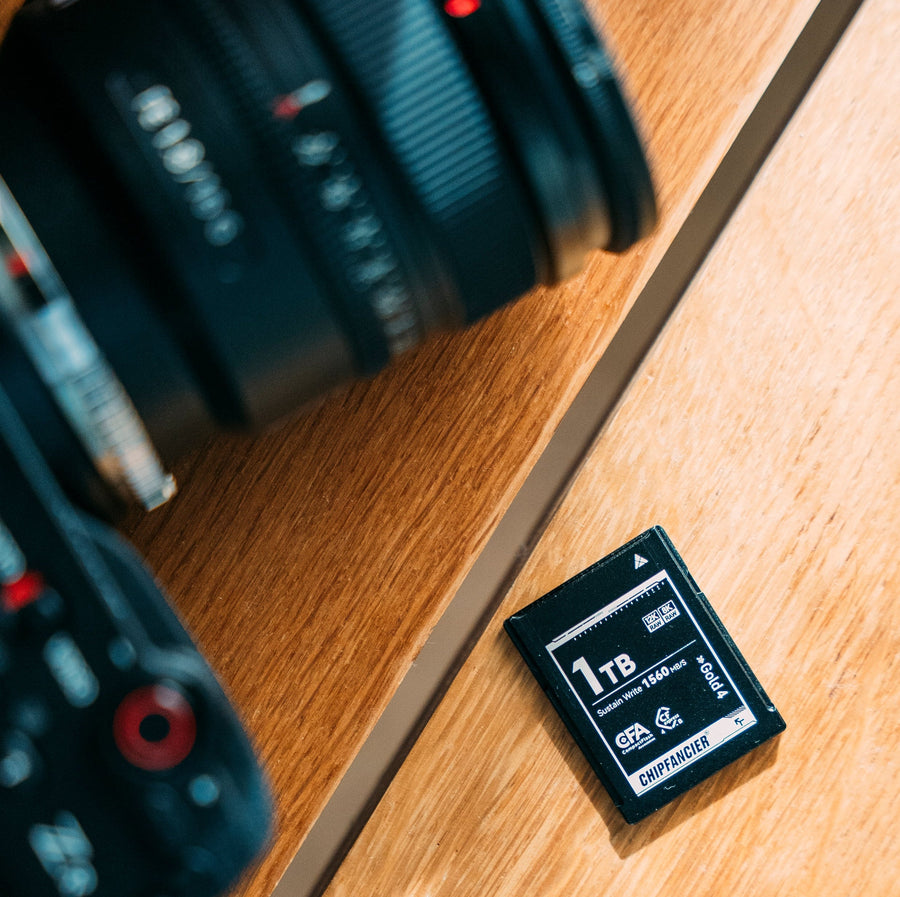
Why CFexpress Memory Cards Offer a Significant Performance Upgrade

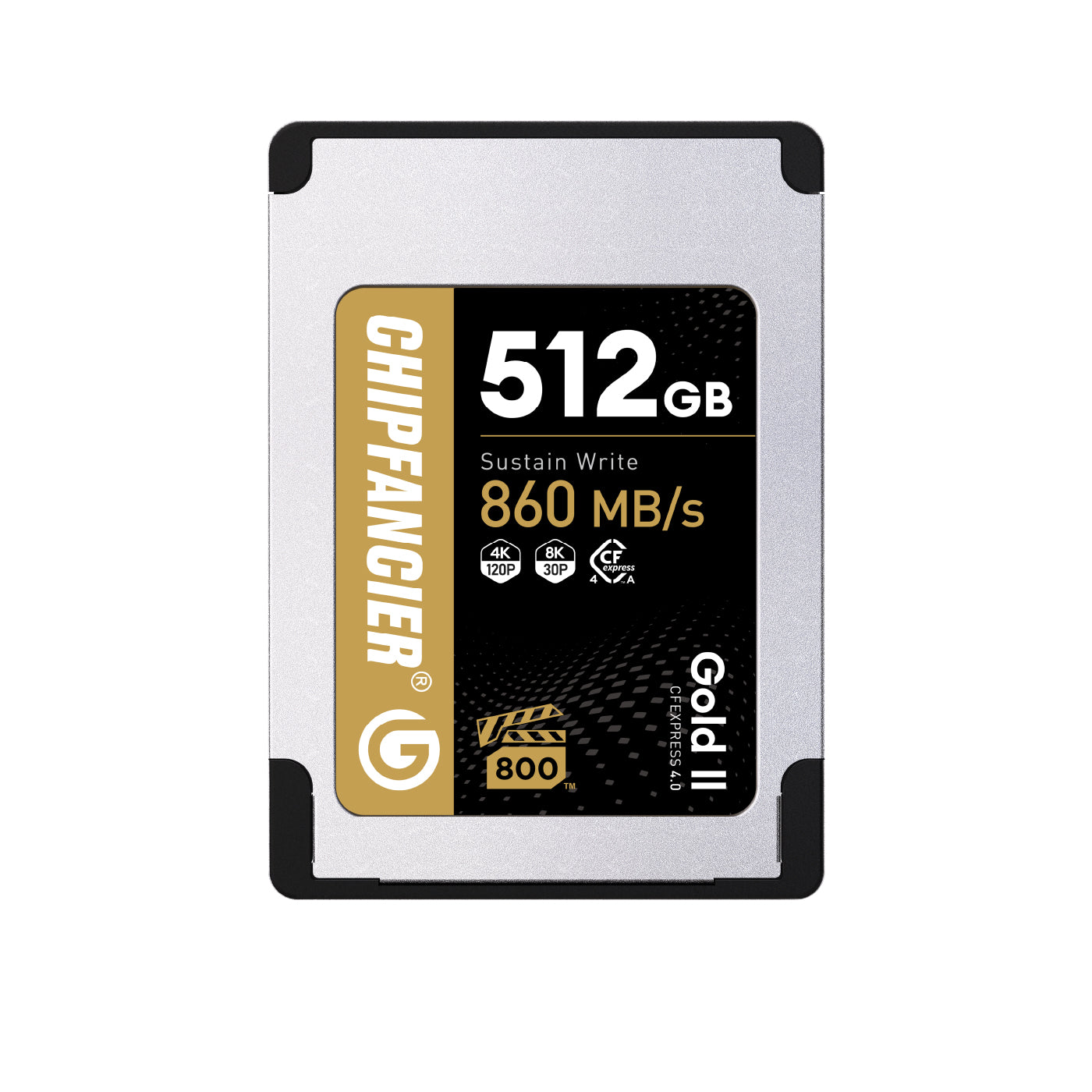
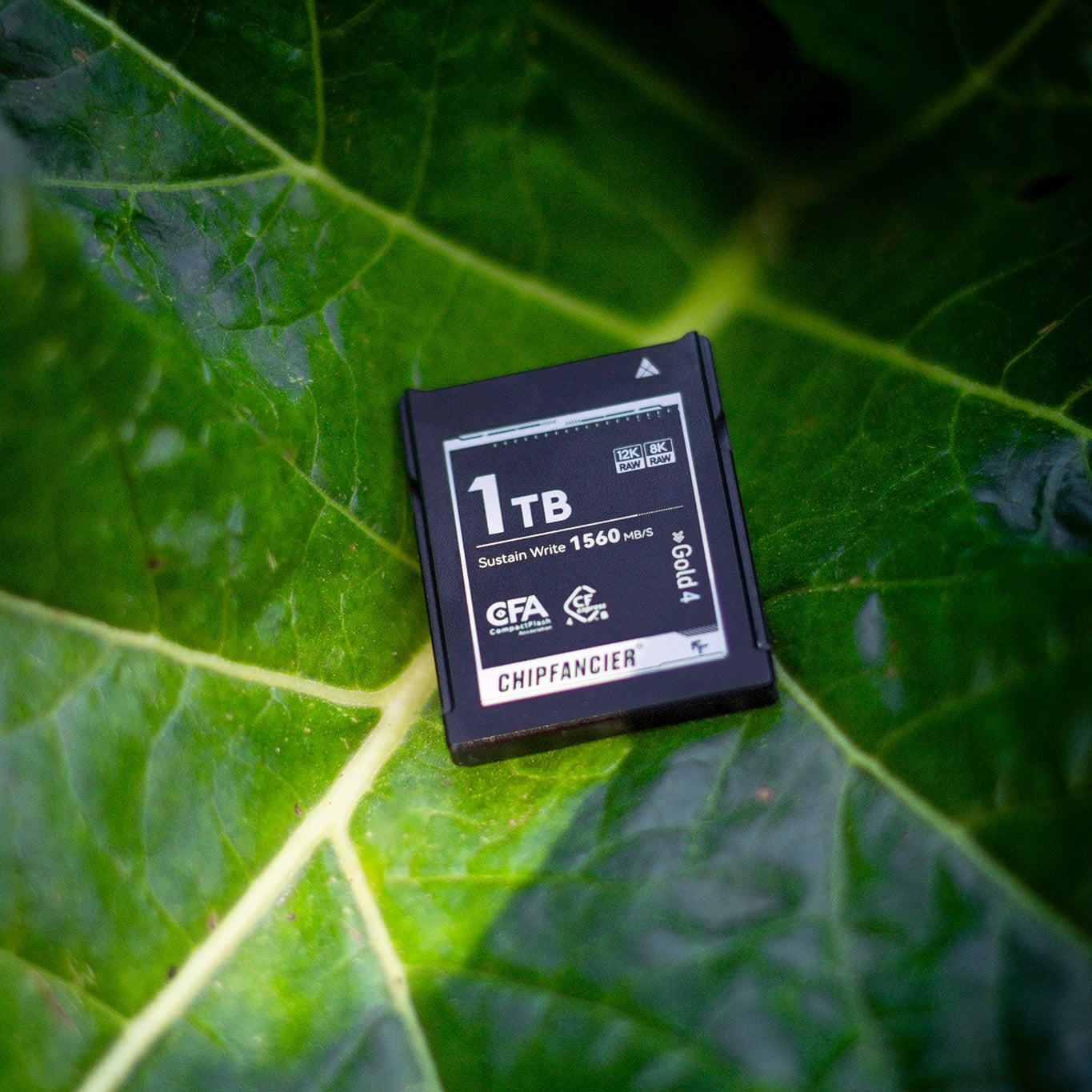
CFexpress cards are designed for high-performance photography and video production workflows. Compared to SD V90 cards, CFexpress delivers significantly higher read and write speeds, along with much stronger sustained performance under continuous workloads.

In real-world use, CFexpress cards greatly improve buffer clearing speed after burst shooting, allowing photographers to return to continuous shooting much faster. This is especially valuable for sports photography, wildlife photography, and event coverage.

For video creators, CFexpress provides a more stable recording experience for high-bitrate video, RAW recording, and long-duration continuous shooting. The improved sustained write performance reduces frame drops and ensures consistent recording quality.

Many users who switch to CFexpress notice that the biggest improvement is not just speed, but overall workflow smoothness and reliability during production.


CFexpress Improves Overall Workflow Efficiency, Not Just Speed

While CFexpress memory cards are often considered expensive, pricing has become significantly more competitive in recent years as adoption increases.

In many cases, premium SD V90 cards are now priced close to entry-level CFexpress options, while performance differences remain substantial.

Beyond recording speed, CFexpress improves the entire post-production workflow. This includes faster file transfers, shorter export times, reduced buffering delays, and smoother handling of large video projects.

As modern production workflows continue to scale, time efficiency becomes more valuable than storage cost alone. CFexpress helps creators save time at every stage of production.

CFexpress as a Backup or Hybrid Workflow Solution

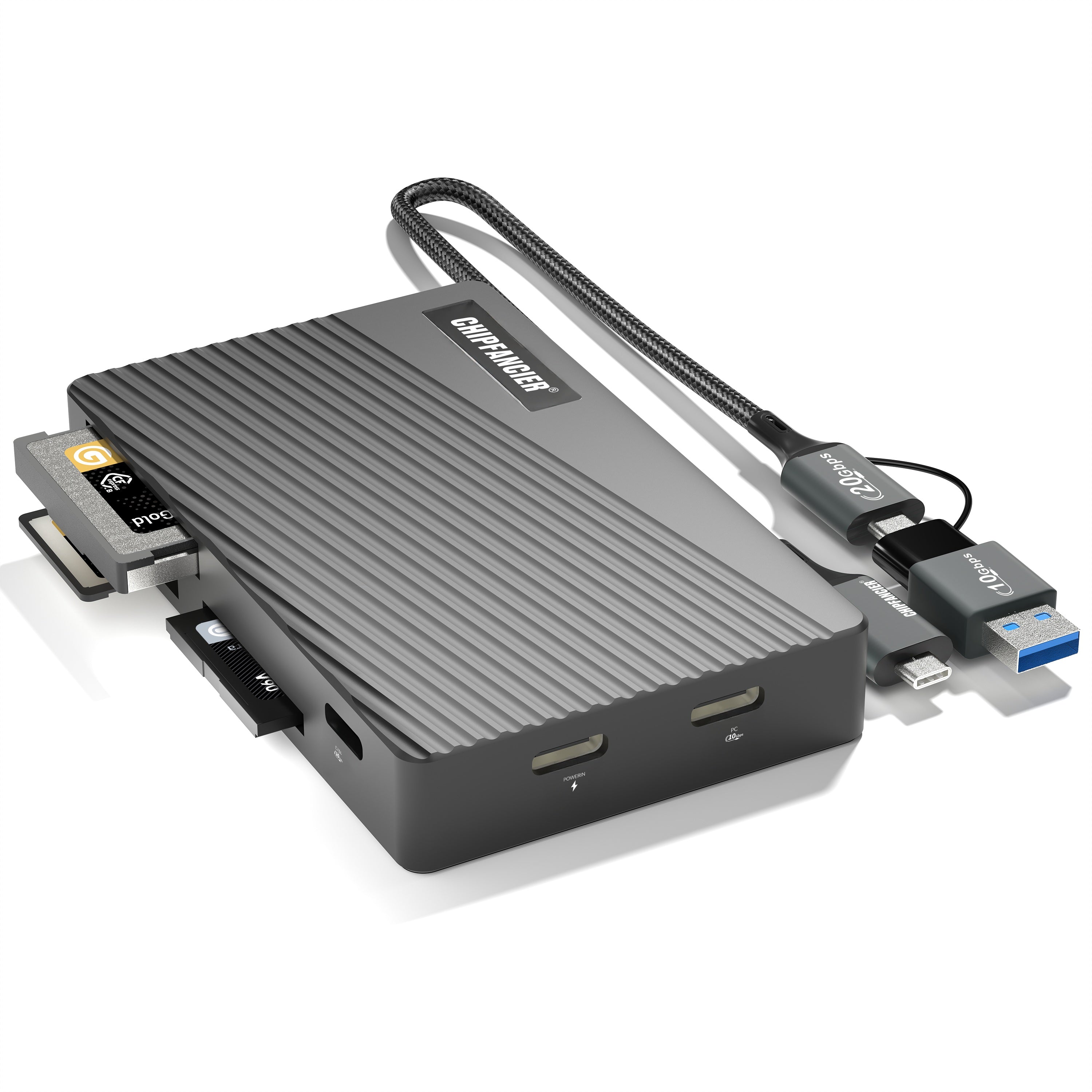
CFexpress does not always need to replace SD cards completely. In many professional workflows, a hybrid storage strategy is often more practical.

For example, SD V90 cards can be used for daily shooting and general content creation, while CFexpress cards are used for high-performance scenarios such as:

  • High-bitrate video recording
  • RAW video capture
  • High-frame-rate slow motion recording
  • Long continuous shooting sessions
  • Commercial and professional production work

This hybrid approach allows creators to balance cost efficiency with high-performance reliability when needed.

SD V90 vs CFexpress: Which One Should You Choose?

If your work mainly involves everyday photography, standard 4K video recording, or light content creation, SD V90 memory cards remain an excellent and cost-effective choice.

However, if you frequently work with high-bitrate video, RAW recording, fast burst photography, or commercial production workflows, CFexpress memory cards provide a significantly better performance experience.

As camera technology continues to evolve toward higher resolutions and larger file sizes, storage performance is becoming an essential part of the creative workflow rather than just an accessory.

Final Thoughts

SD V90 memory cards continue to be a reliable mainstream choice for most photographers and creators due to their compatibility and stability.

However, CFexpress memory cards are rapidly becoming the preferred solution for high-performance video production and professional workflows.

With faster speeds, stronger sustained performance, and improved workflow efficiency, CFexpress is not just an upgrade in numbers—it is an upgrade in how efficiently creators can work.

Many users only fully understand the impact of storage performance once they experience CFexpress in real production environments.