







In modern photography, continuous shooting performance is crucial for professional photographers and video creators. Whether capturing sports events, wildlife, or fast-moving subjects, the smoothness and consistency of burst shooting directly influence the quality of the final images. One of the key factors that determines this performance is the write speed of the memory card.

Introduction
Have you ever been shooting in burst mode and suddenly noticed your camera slow down? This usually happens when the camera buffer becomes full. While camera performance plays a role, your memory card's write speed is often the key factor that determines how quickly the buffer can clear and how long you can keep shooting.
What Is Camera Buffer?
When you take a photo, the camera does not save it directly to the memory card. Instead, it first stores the data in a temporary space called the buffer.
The buffer acts like a waiting room. Once the data is written to the memory card, the buffer frees up space for the next images.
If the memory card is too slow, the buffer fills up and the camera may slow down or stop shooting temporarily.
Why Write Speed Matters
Write speed refers to how quickly a memory card can save data.
A faster card clears the buffer more quickly, allowing the camera to continue shooting at its maximum speed. A slower card takes longer to save files, which can limit burst shooting performance and slow down your workflow.
For photographers who shoot action, sports, wildlife, or events, write speed can make a noticeable difference.

Write Speed and Video Recording
Video recording also depends heavily on write speed.
High-resolution formats such as 4K, 6K, and 8K create large amounts of data every second. If the card cannot keep up, recording may stop unexpectedly or frames may be dropped.
This is why professional video creators often choose high-performance memory cards.
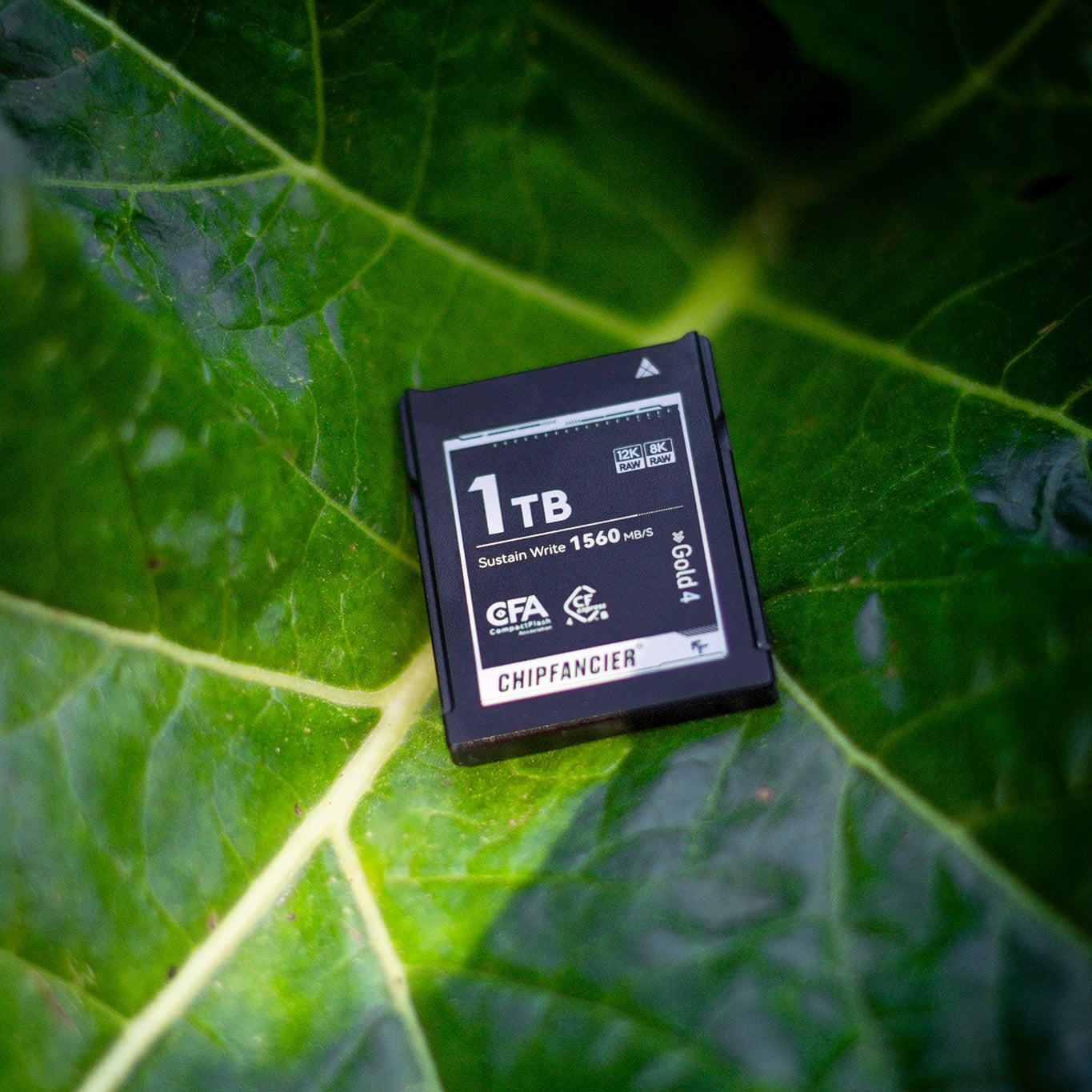
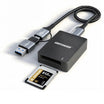
CFexpress Type A
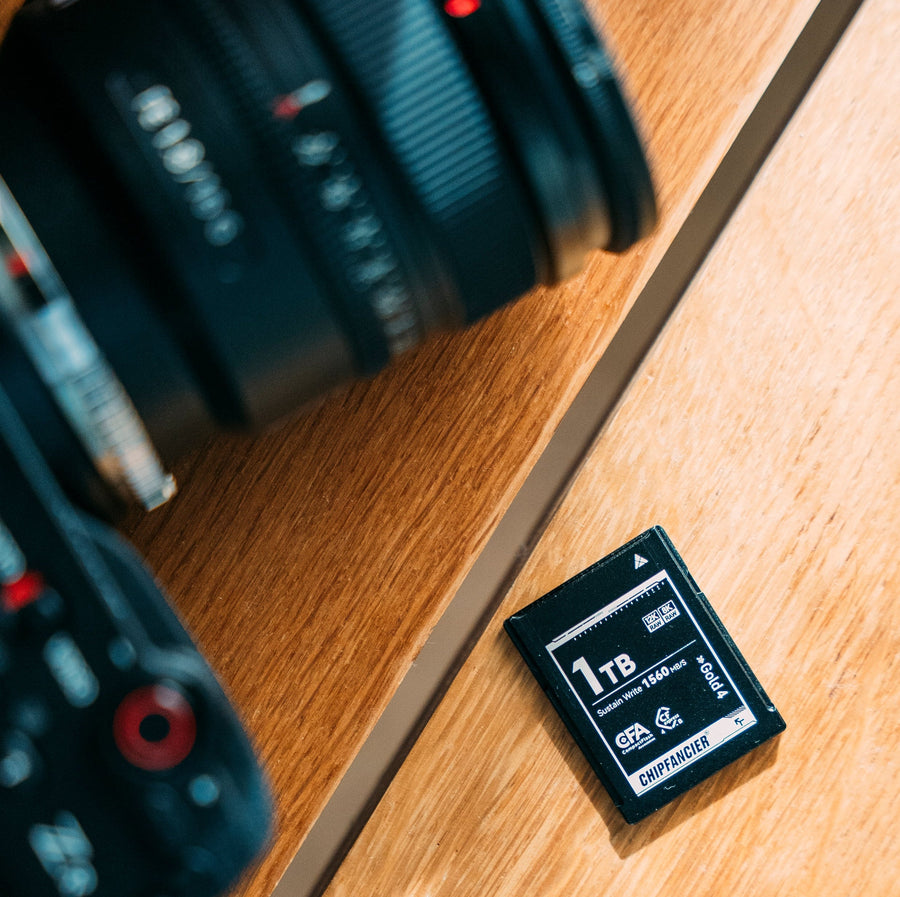
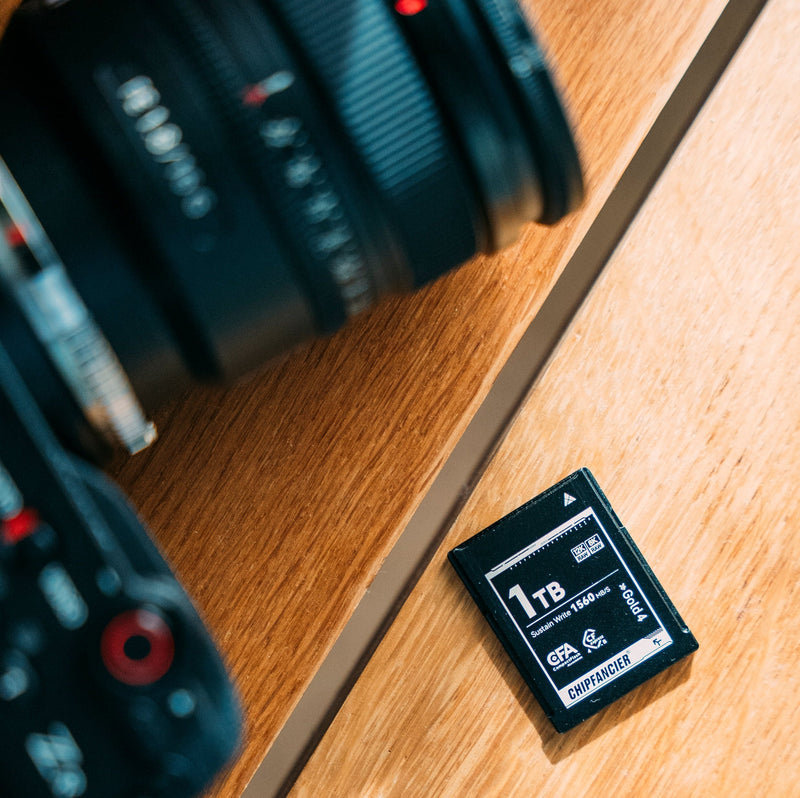
CFexpress Type A cards are designed for creators who need both speed and portability.
With write speeds up to 1750MB/s, they can handle RAW photography, high-speed burst shooting, and 4K or 8K video recording with ease.
They are commonly used in Sony cameras and are a popular choice for hybrid photo and video creators.
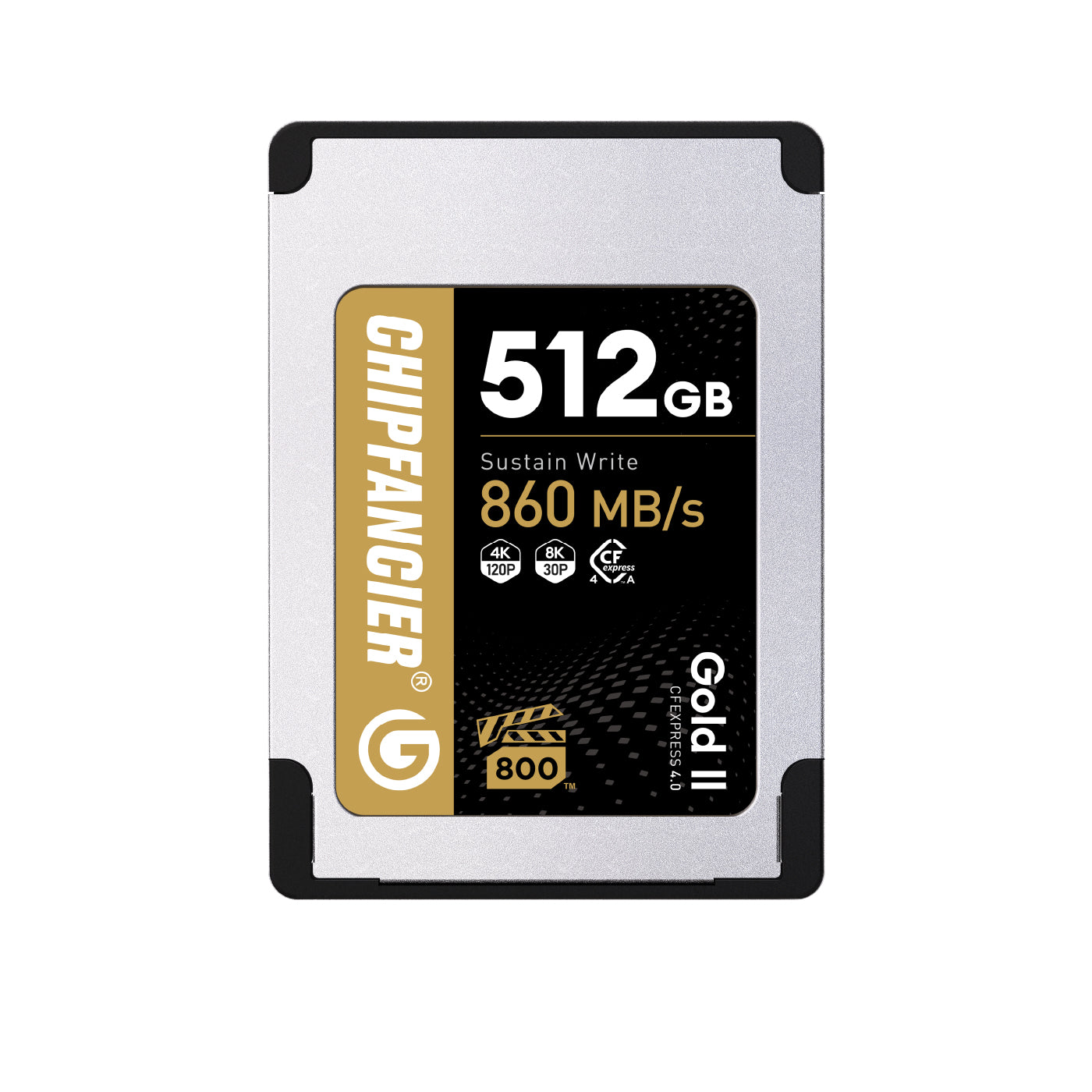
CFexpress Type B
CFexpress Type B cards offer even higher performance.
With write speeds up to 2920MB/s, they are ideal for demanding tasks such as 8K RAW video, sports photography, and large production workflows.
For professionals who need maximum speed and reliability, CFexpress Type B is often the preferred option.
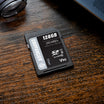
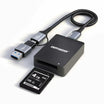
SDXC UHS-II V90
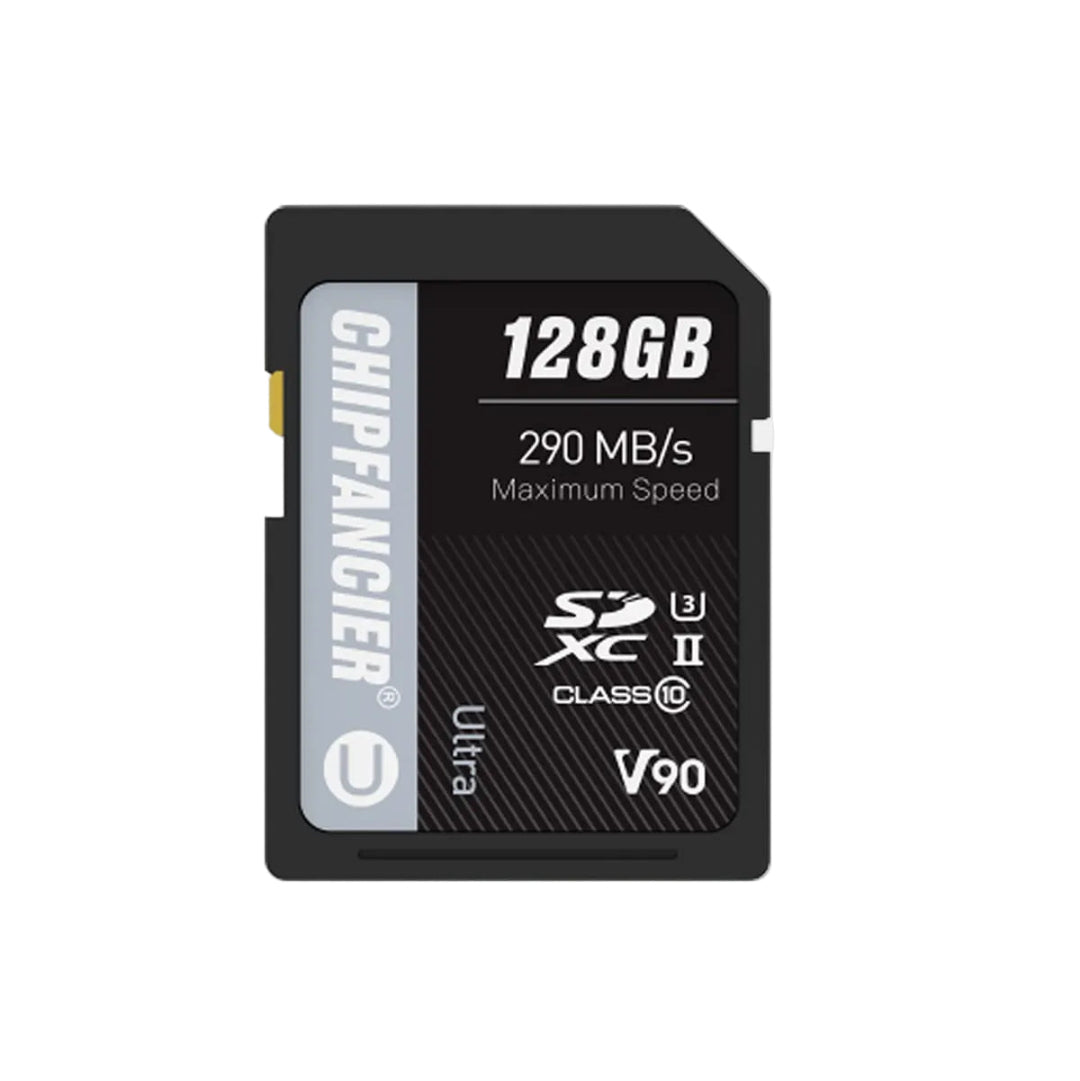
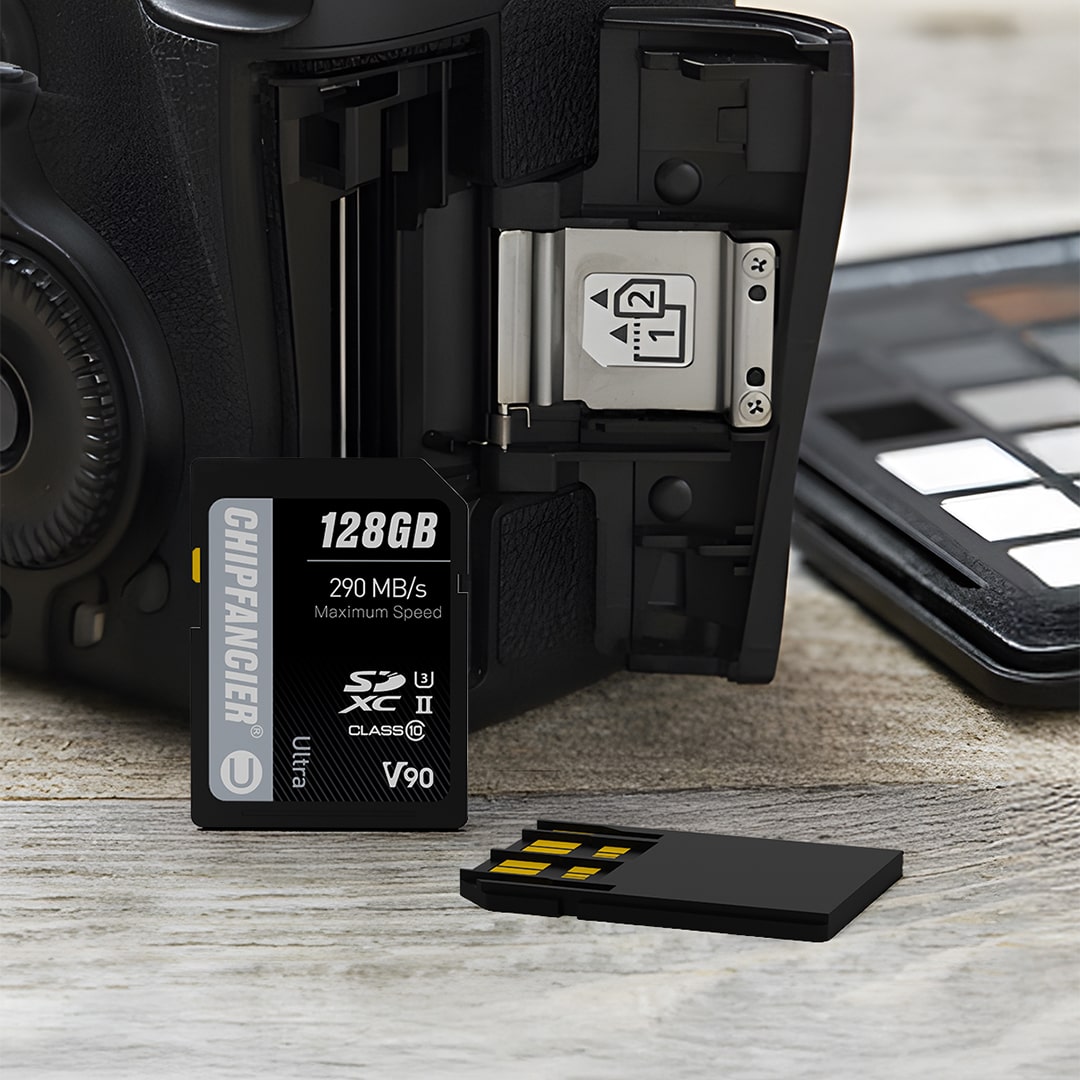
SDXC UHS-II V90 cards remain one of the most popular storage formats.
With sustained write speeds up to 290MB/s, they provide reliable performance for 4K video, photography, drones, and everyday professional use.
They may not be as fast as CFexpress cards, but they offer excellent compatibility and value.
Choosing the Right Memory Card
The best memory card depends on how you shoot.
- For sports and wildlife photography, CFexpress Type A or Type B is recommended.
- For 8K video recording, CFexpress Type B offers the highest performance.
- For mixed photo and video work, CFexpress Type A provides a great balance of speed and portability.
- For 4K video and general photography, SDXC UHS-II V90 is a reliable choice.
Conclusion
A fast memory card helps your camera perform at its best. It allows the buffer to clear faster, improves burst shooting performance, and supports high-resolution video recording.
Whether you choose a CFexpress Type A card, CFexpress Type B card, or SDXC UHS-II V90 card, selecting the right storage solution can make your shooting experience smoother and more reliable.