




Guides & Education

How a Multi-Format Card Reader Can Streamline Your Workflow

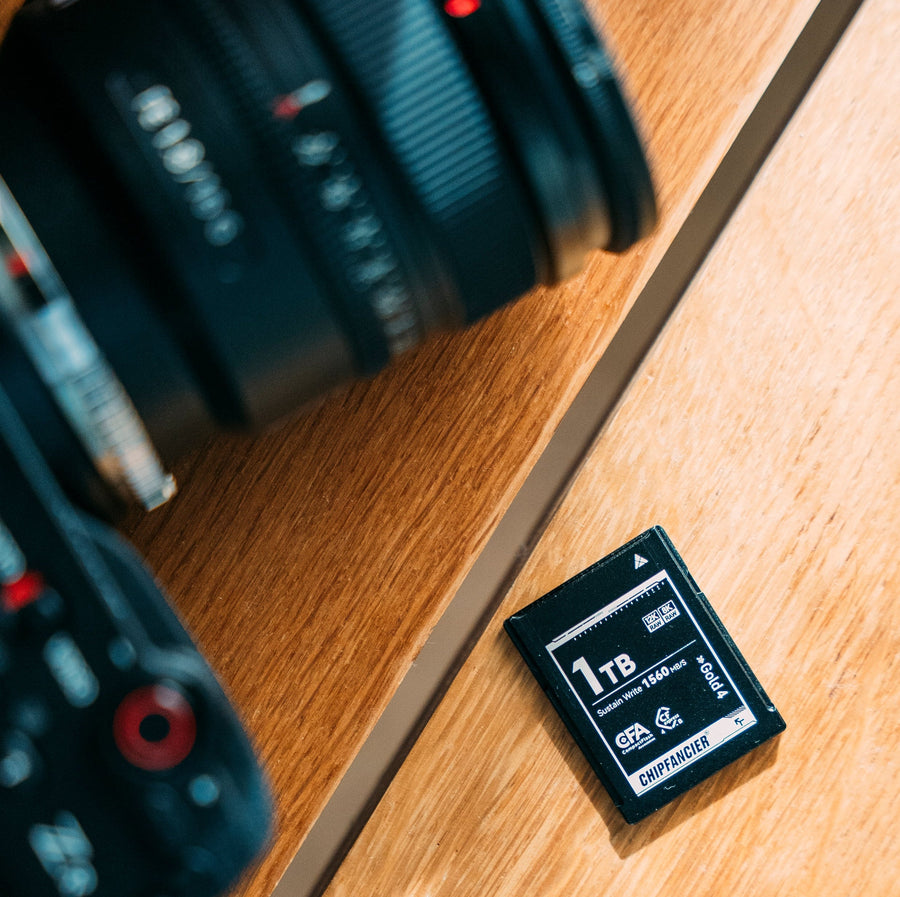
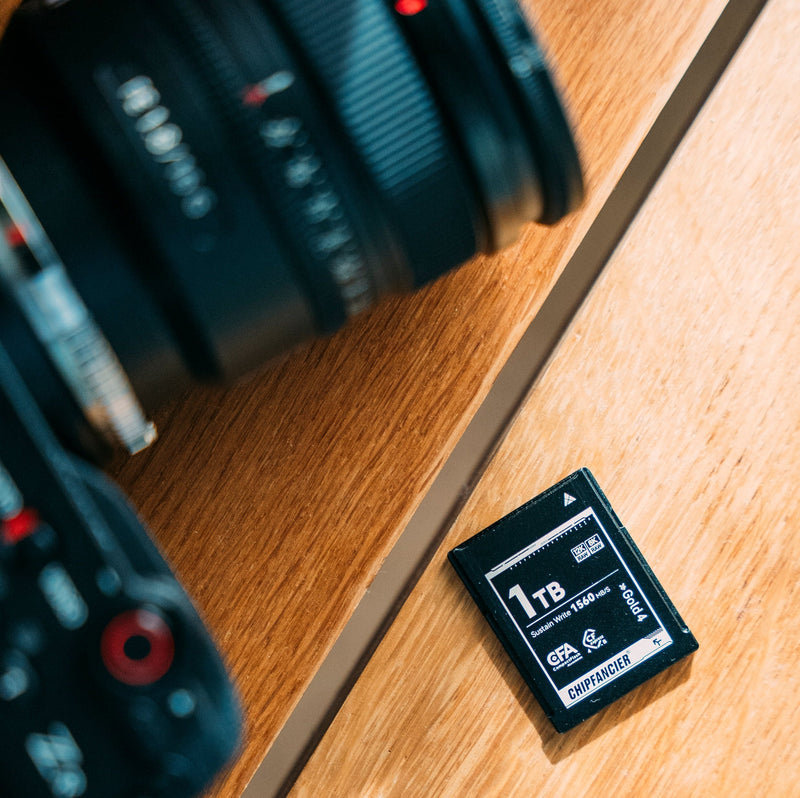
In today’s fast-paced world of content creation, memory cards are essential tools for storing and transferring massive amounts of high-resolution video, RAW images, and other media files. But with so many card types—each with different formats, speeds, and interfaces—managing data across multiple devices can quickly become a challenge.

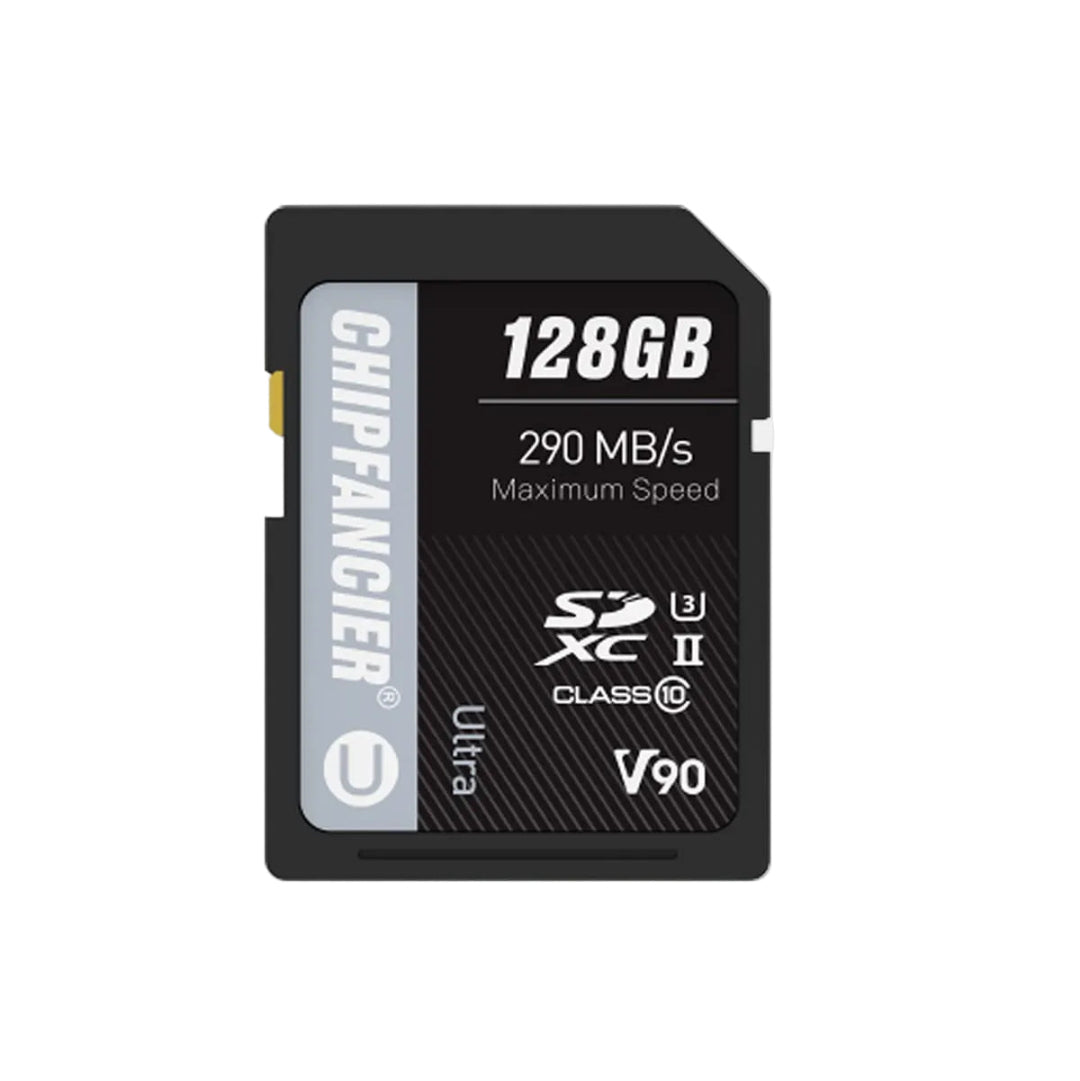
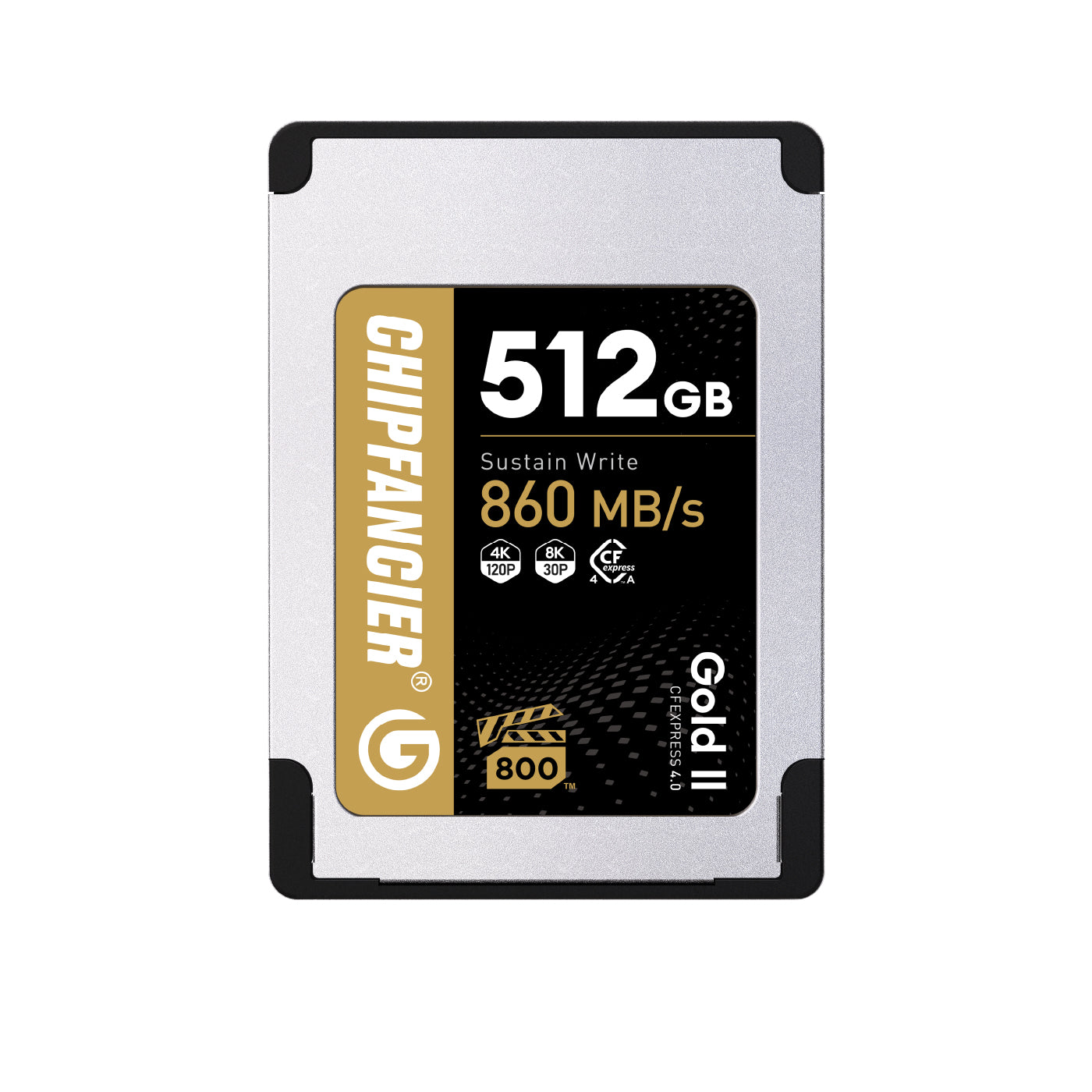
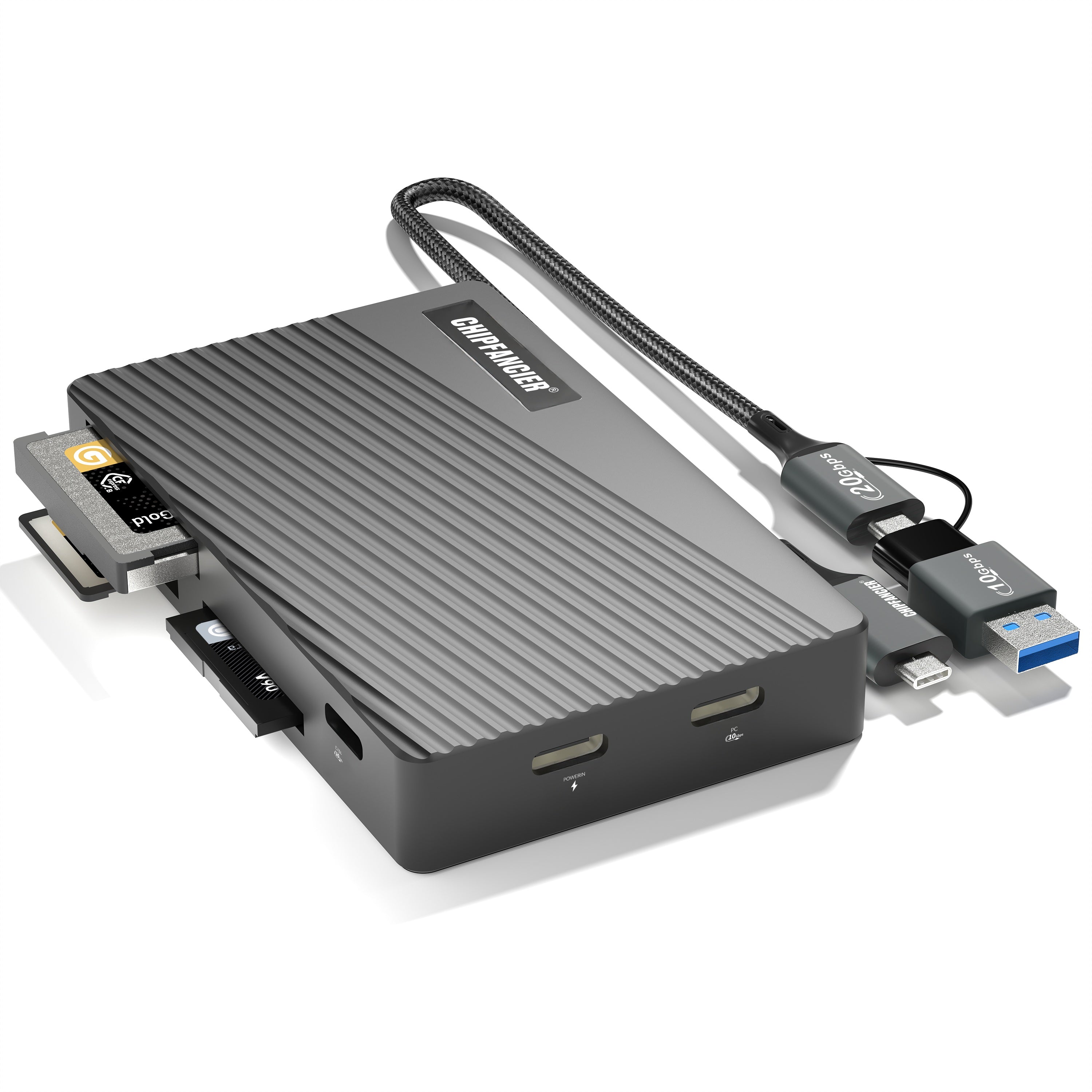
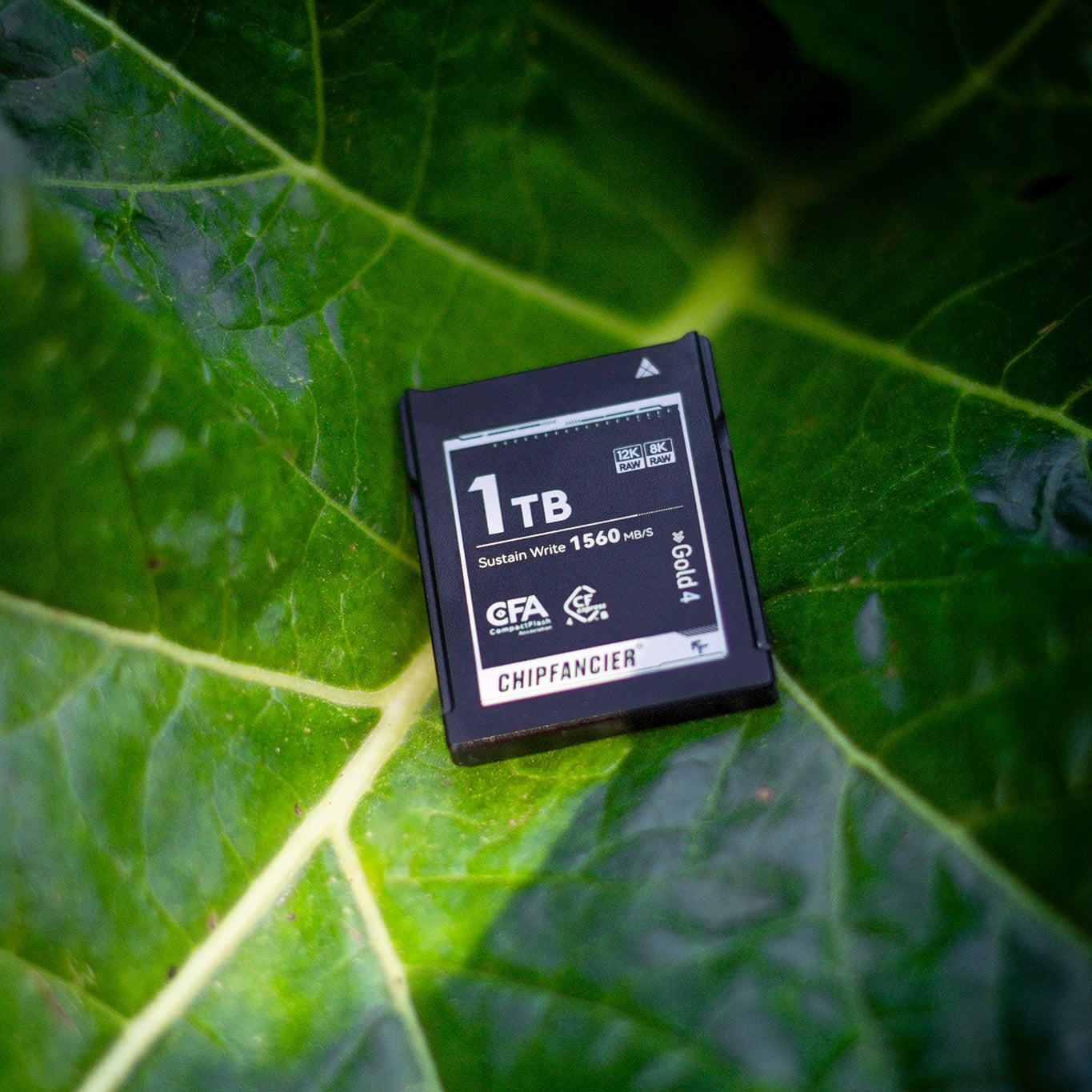
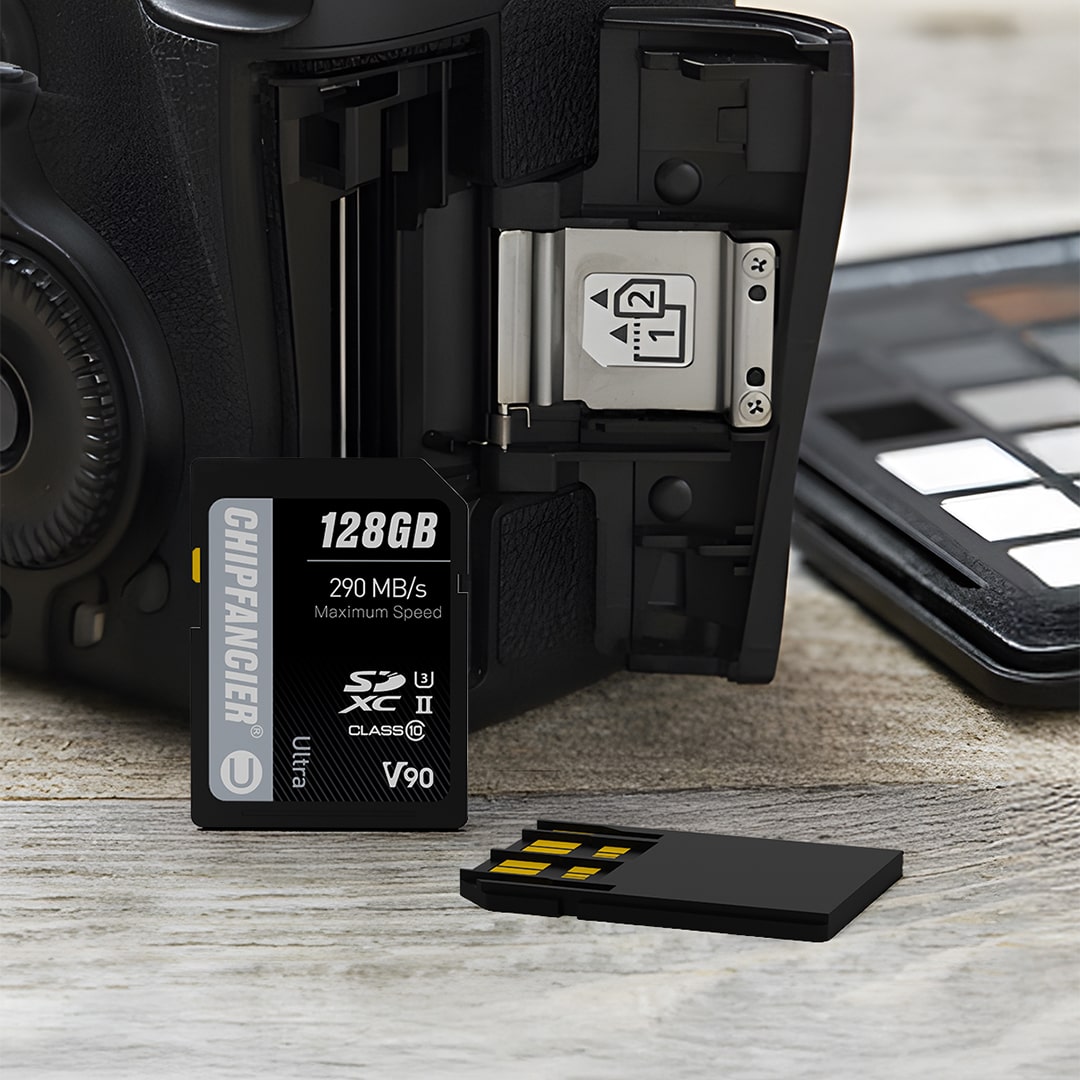
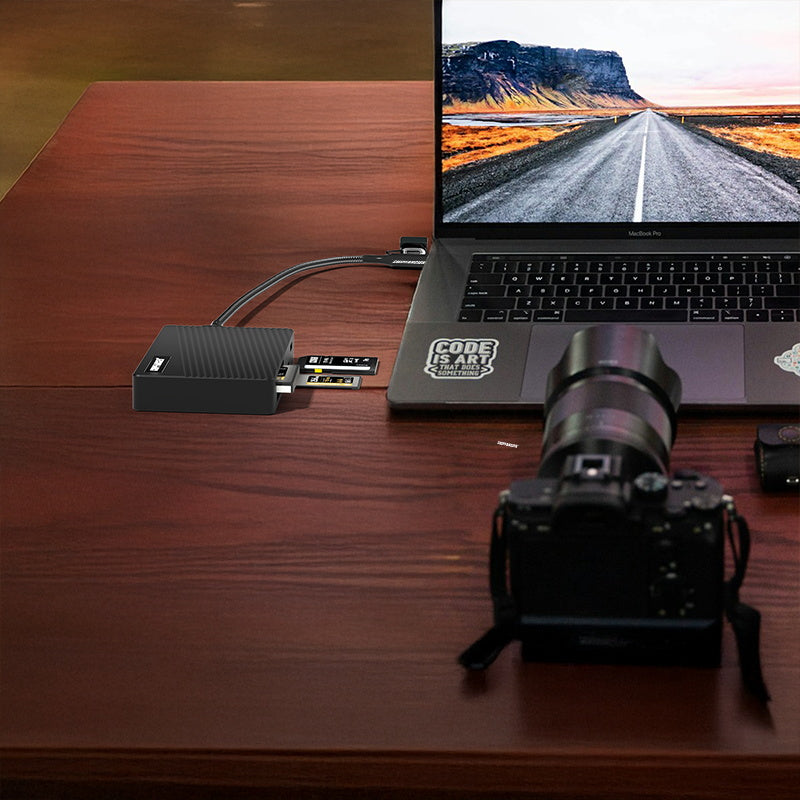
That’s where 3-in-1 card readers come in. By supporting CFexpress Type A, CFexpress Type B, and SDXC cards all in one compact device, they offer an efficient solution for photographers, videographers, and hybrid creators working across multiple camera systems.

This blog aims to demystify the different card formats and explain why a 3-in-1 reader with USB 3.2 Gen 2 support can streamline your workflow.
Why Workflow Efficiency Matters

In modern production pipelines, time cost often outweighs equipment cost. Slow data transfer not only delays editing and post-production but also interrupts creative flow.

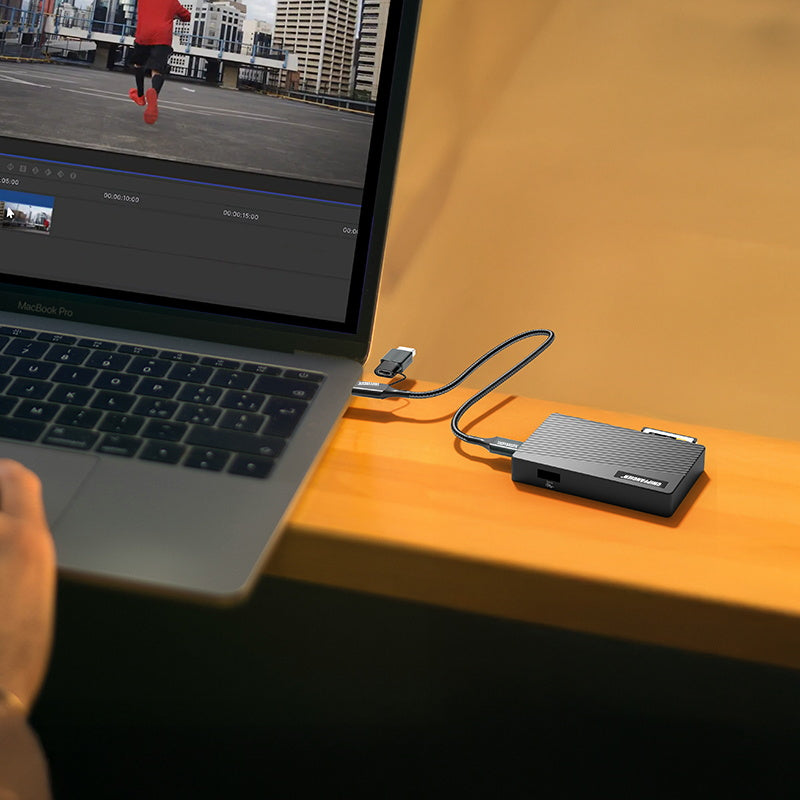
A high-speed card reader significantly reduces waiting time, allowing creators to focus more on editing, color grading, and storytelling, ultimately improving overall productivity.

Key Advantages of a 3-in-1 Card Reader

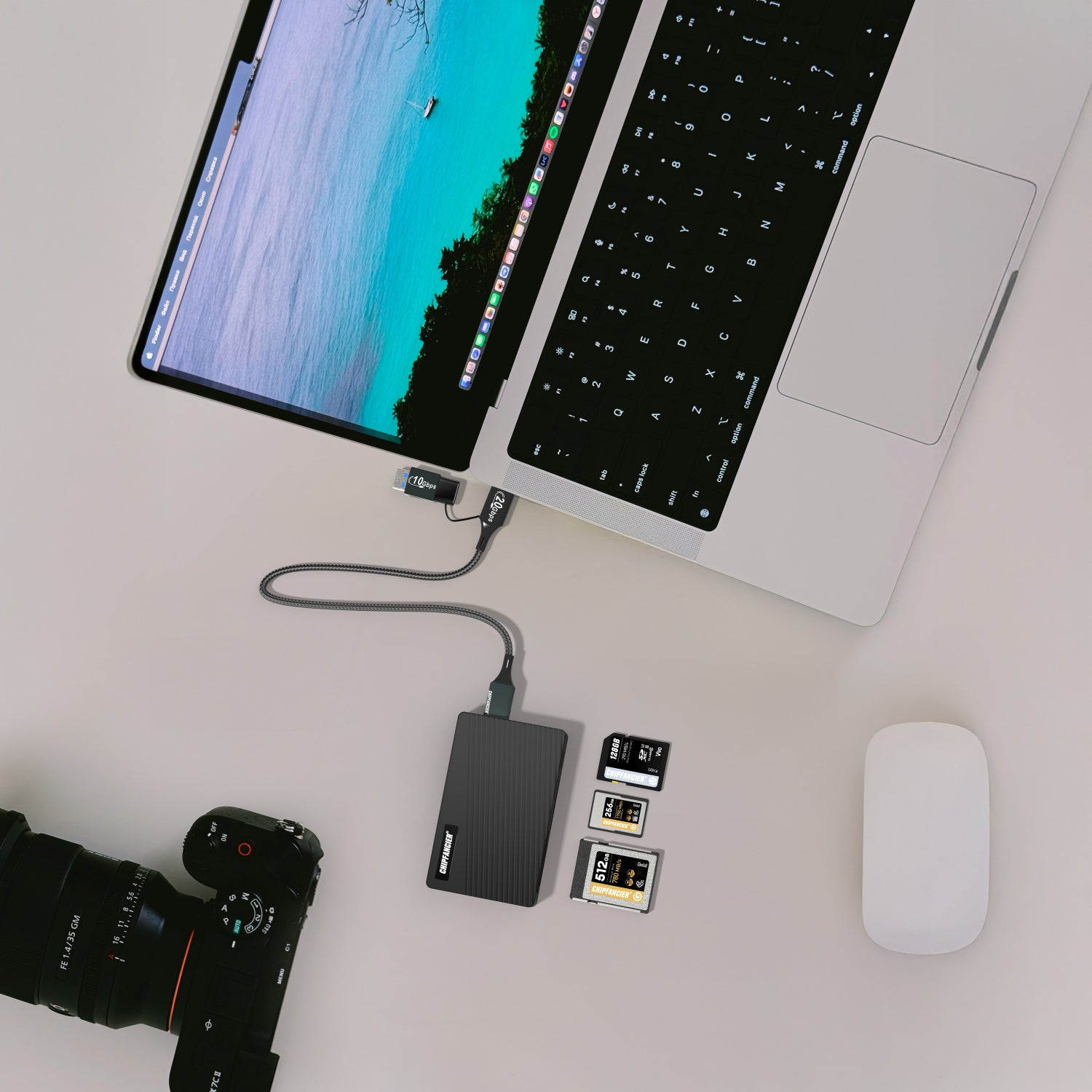
A 3-in-1 card reader integrates CFexpress Type A, CFexpress Type B, and SD card slots into a single compact device.

  • All-in-one design for reduced gear load

    No need to carry multiple readers. One device handles multiple formats, making it ideal for multi-camera creators.
  • High-speed performance

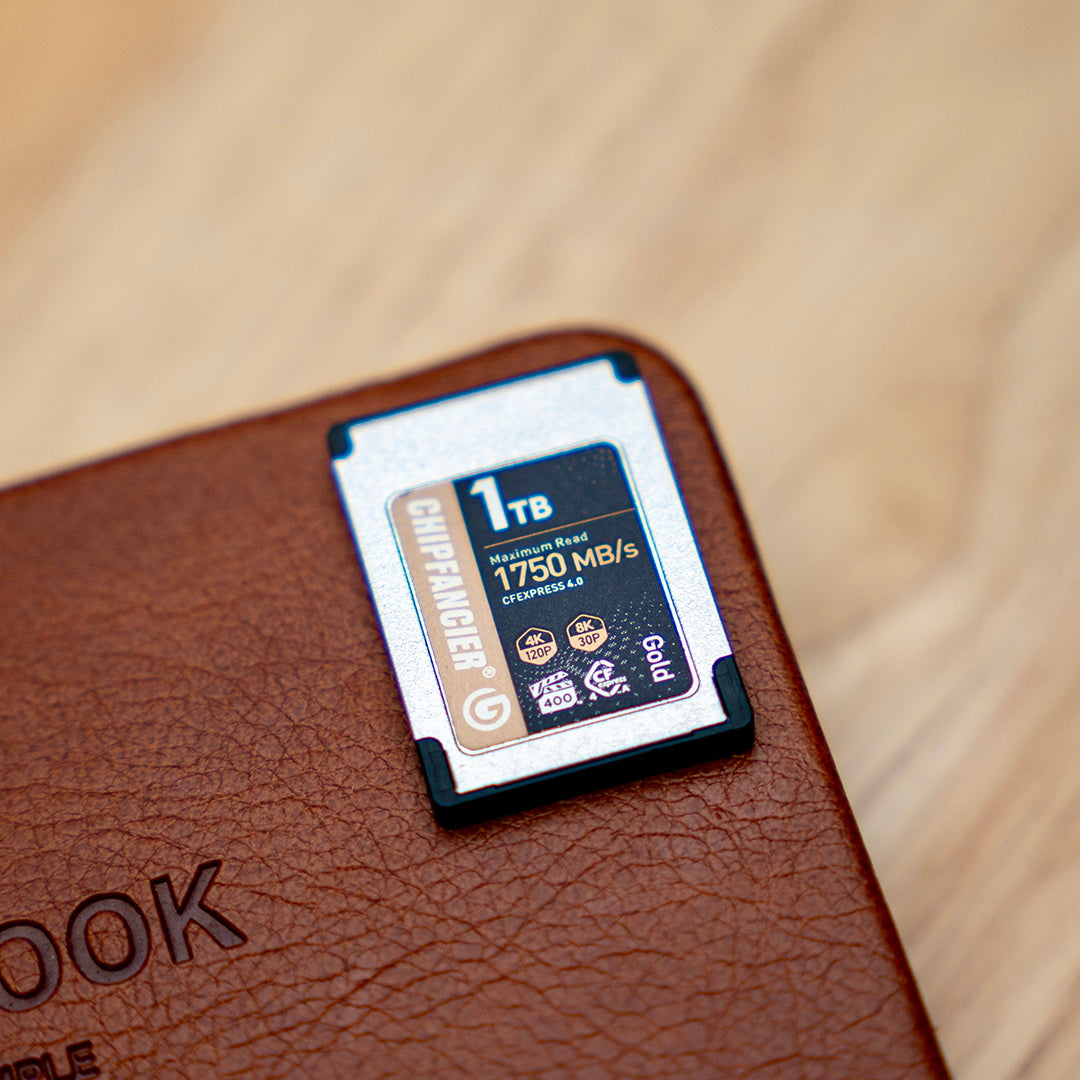
    Supports CFexpress Type B high-speed transfer up to approximately 1700MB/s, greatly improving the efficiency of 4K and 8K video and RAW file offloading.
  • Wide device compatibility

    Works with Sony mirrorless cameras (Type A), cinema cameras (Type B), drones, and DSLRs (SD cards), covering a wide range of shooting equipment.
  • Professional reliability

    Designed for heavy workloads, ensuring stable and consistent performance whether in studio environments or on-location shoots.

How High-Speed Transfers Improve Productivity

For professional creators, transfer speed directly impacts production efficiency.

  • Film production workflows benefit from fast import of large 8K video files into editing systems
  • Hybrid creators can offload footage from multiple devices without switching readers
  • Wedding and sports photographers can quickly transfer large batches of RAW images, significantly reducing delivery time

A high-speed reader can reduce transfer times from tens of minutes to just a few minutes, greatly improving overall workflow efficiency.

How to Choose the Right 3-in-1 Card Reader

When selecting a card reader, consider the following key factors:

  • Full format support: Must support CFexpress Type A, Type B, and SD cards
  • Transfer speed performance: CFexpress Type B should reach or approach 1700MB/s to fully utilize card performance
  • Interface type: USB-C or Thunderbolt is recommended for high-speed performance and future compatibility
  • Durability: Suitable for mobile creators, requiring strong and stable construction
  • Portability: Compact design for easy transport without sacrificing performance

Conclusion

The core value of a 3-in-1 card reader lies in workflow simplification and efficiency improvement. By integrating CFexpress Type A, Type B, and SD card support into a single device, it reduces unnecessary steps and allows creators to focus on content creation.

As 4K, 8K, and higher-resolution formats continue to evolve, multi-format high-speed card readers will become a fundamental tool in professional workflows, providing photographers and filmmakers with faster, more stable, and more flexible data management solutions.