

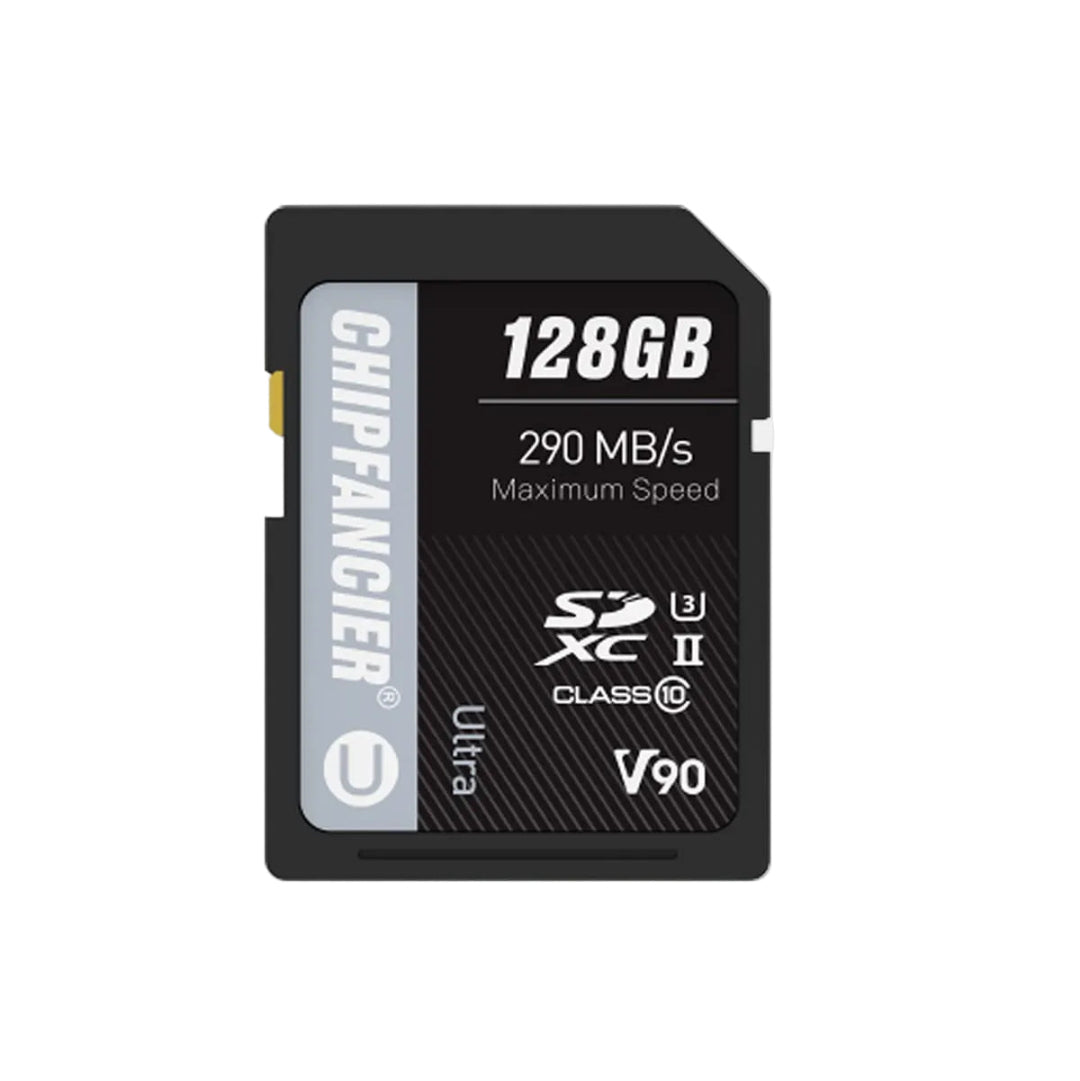
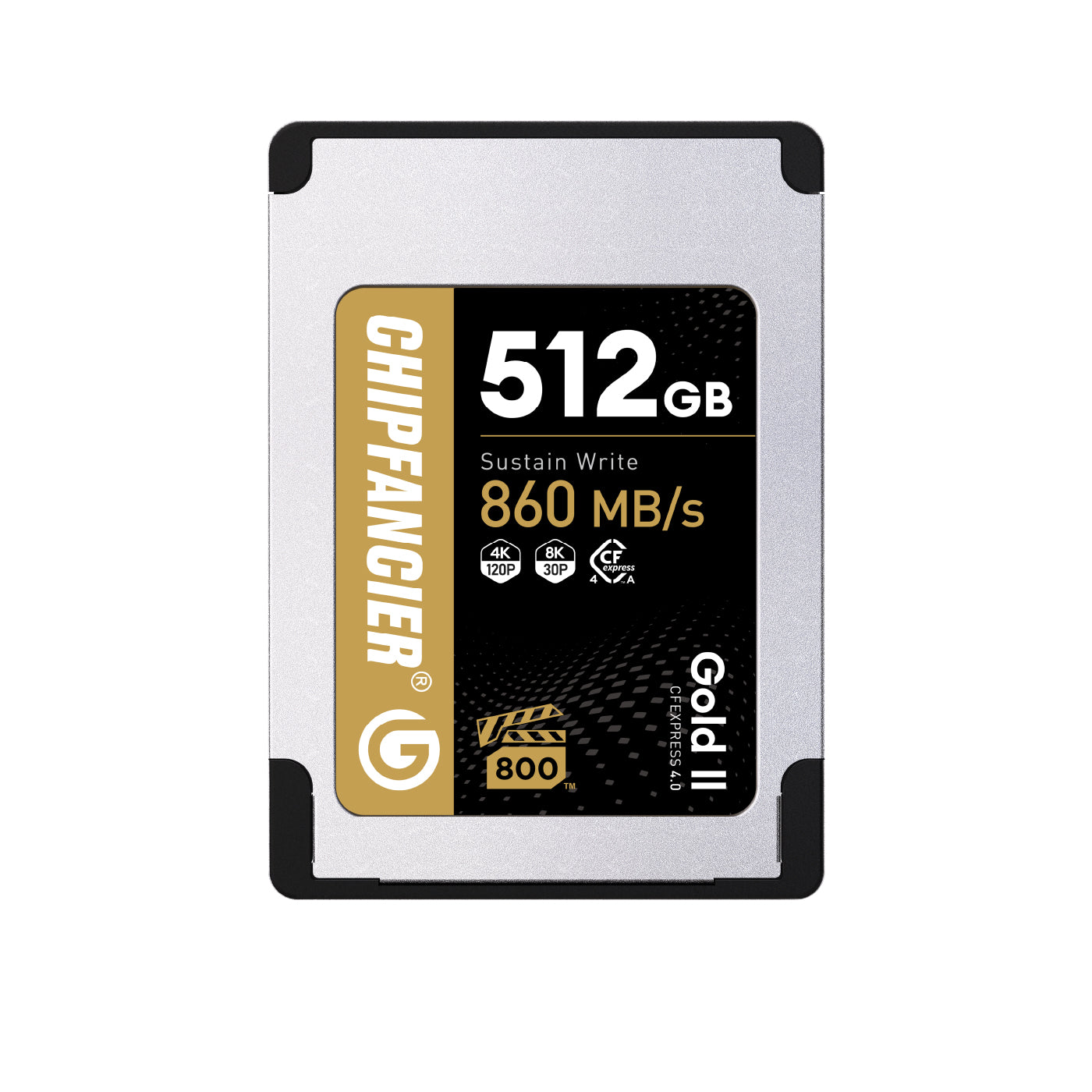
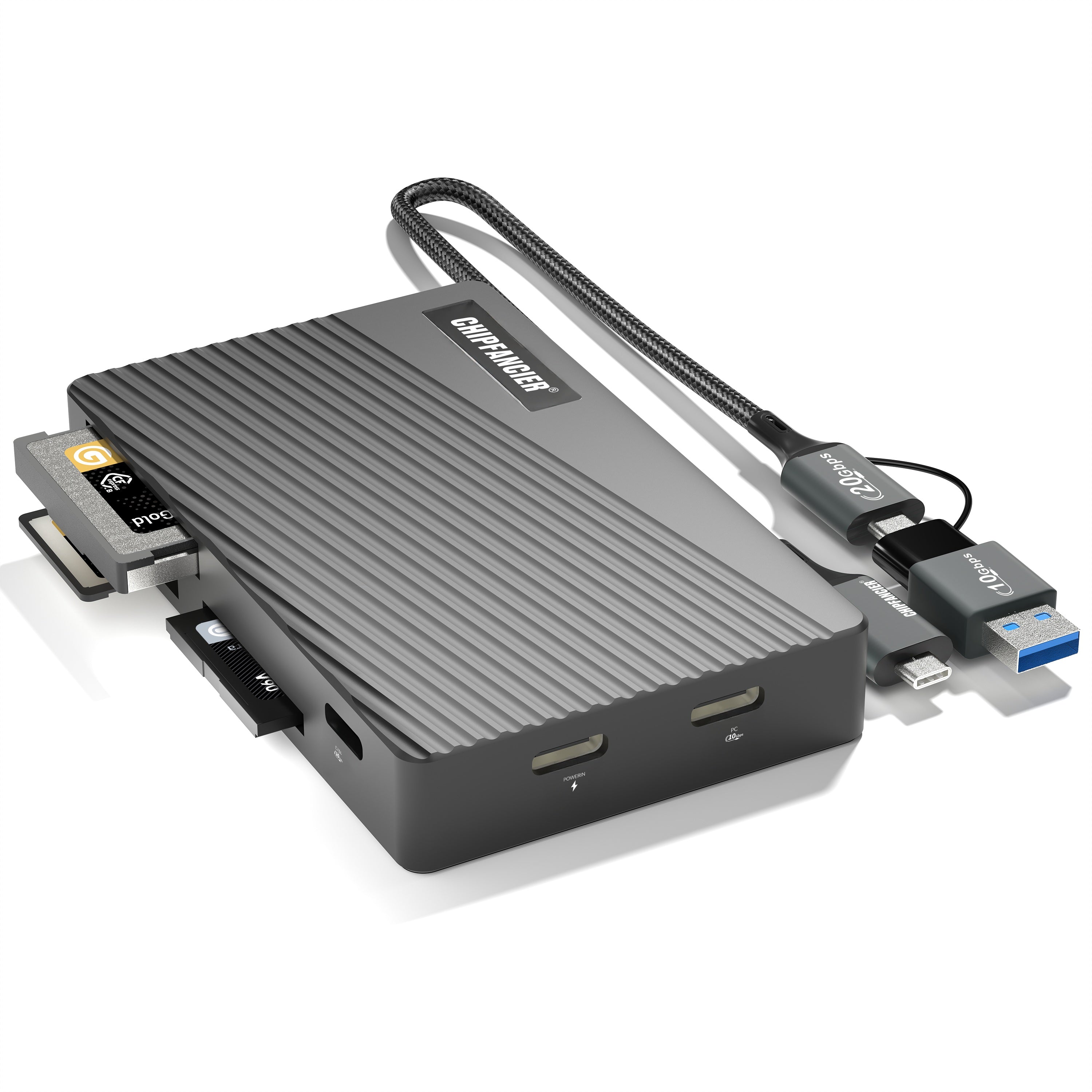
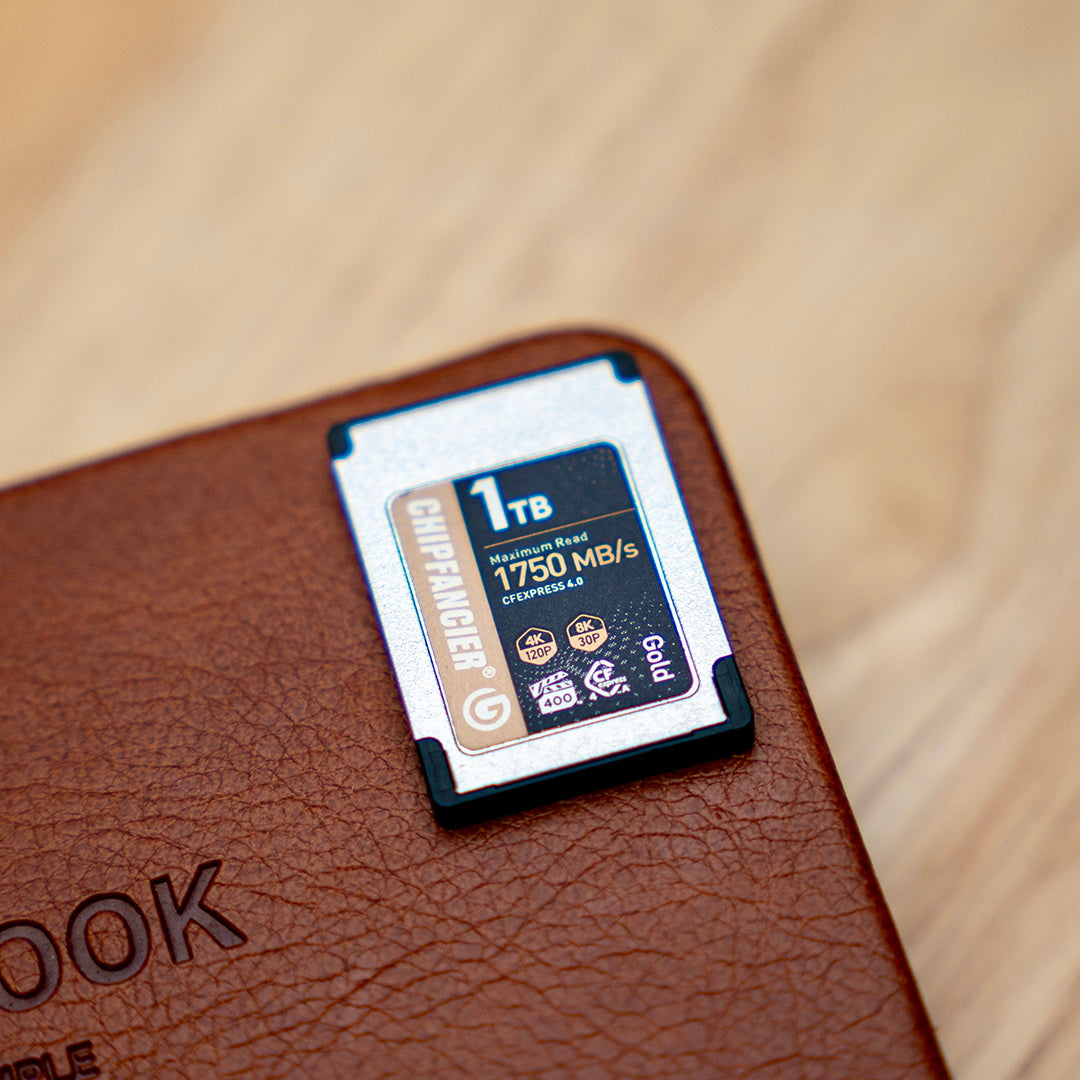
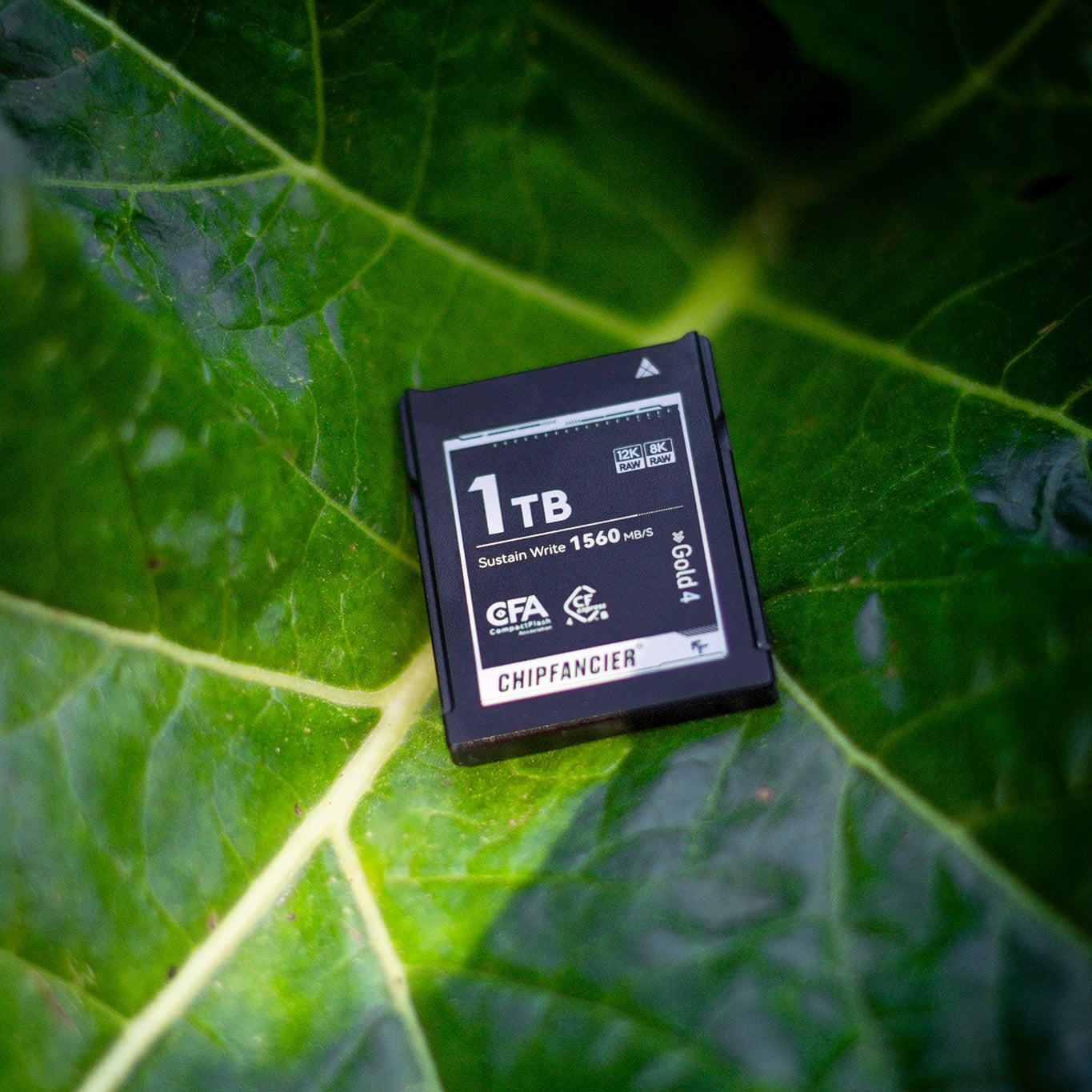
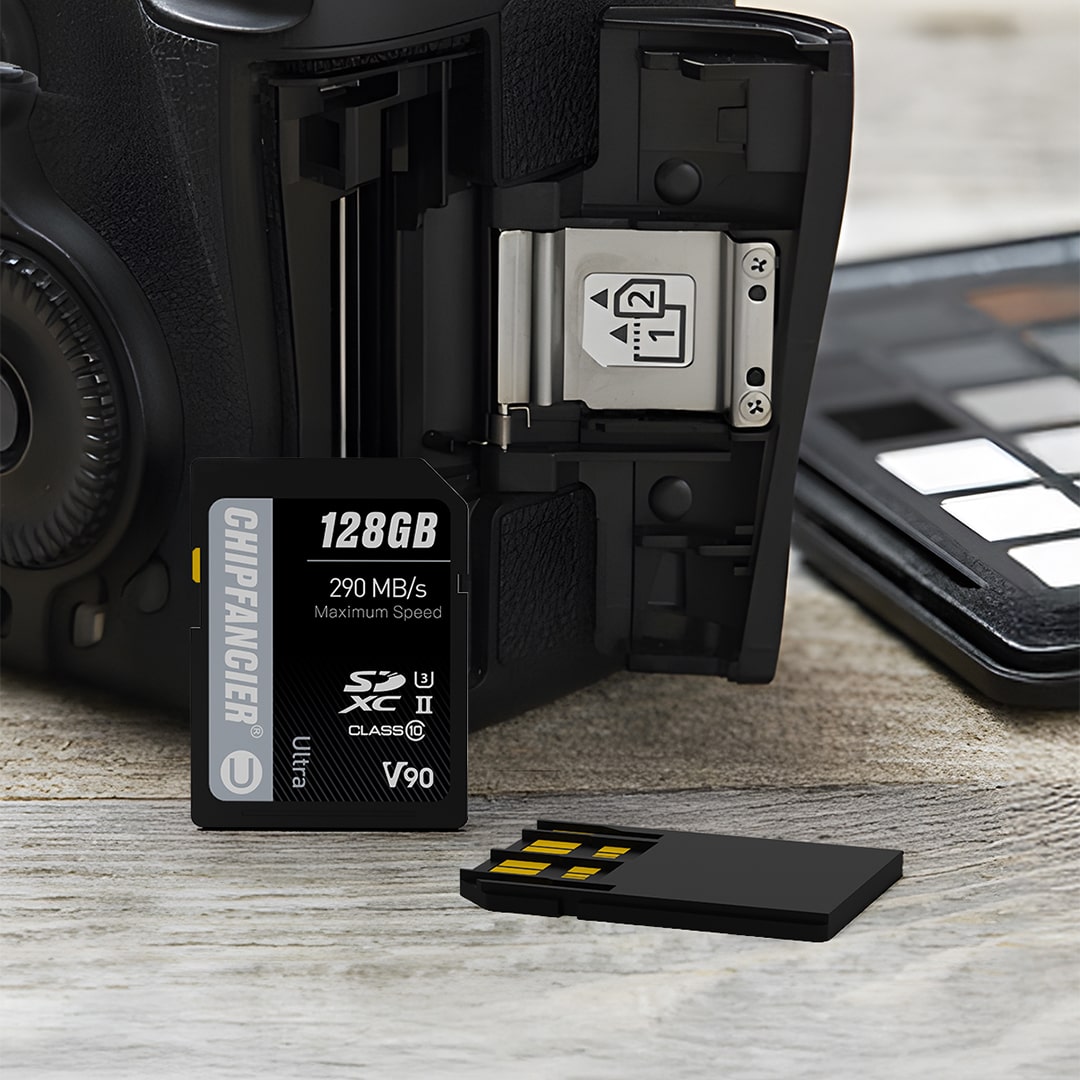




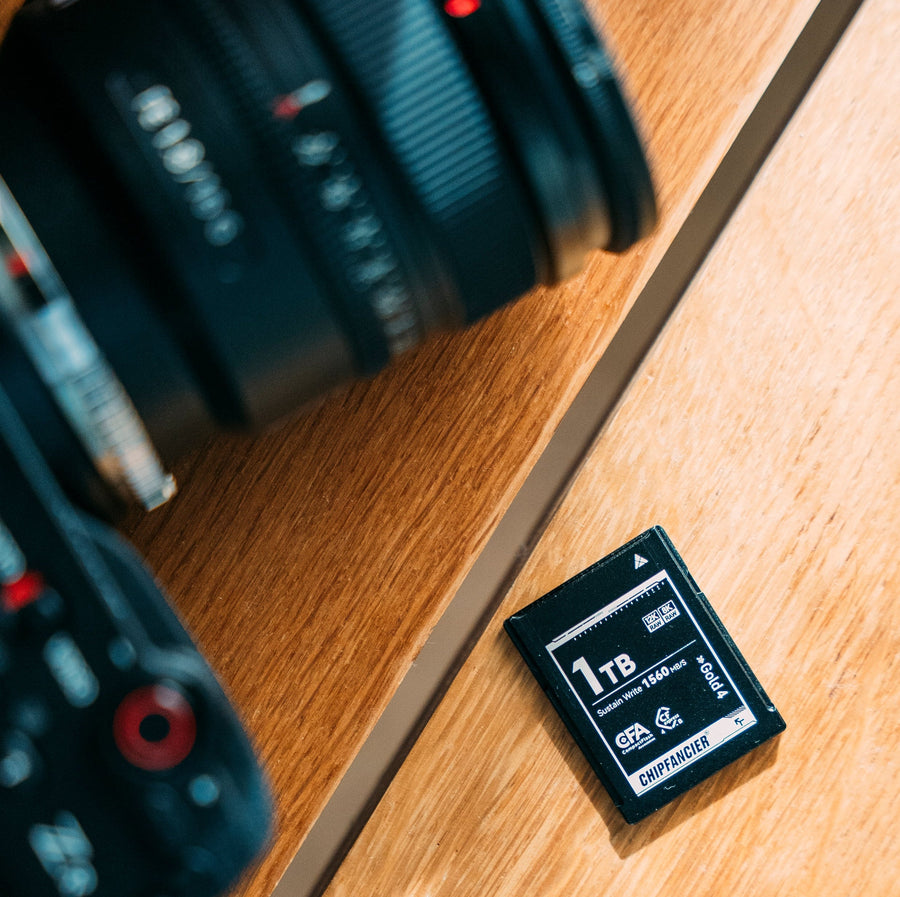
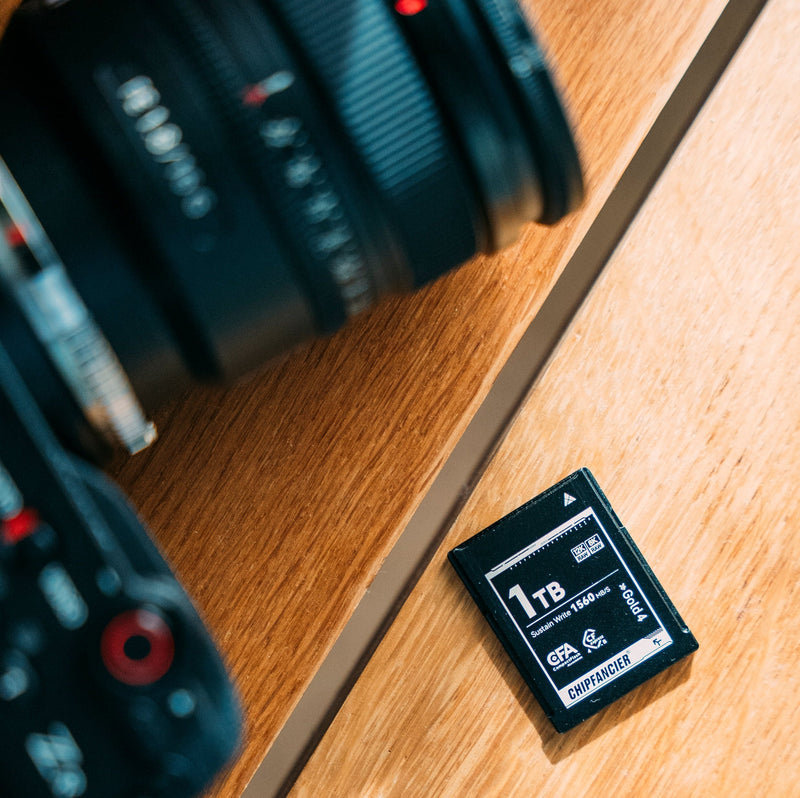
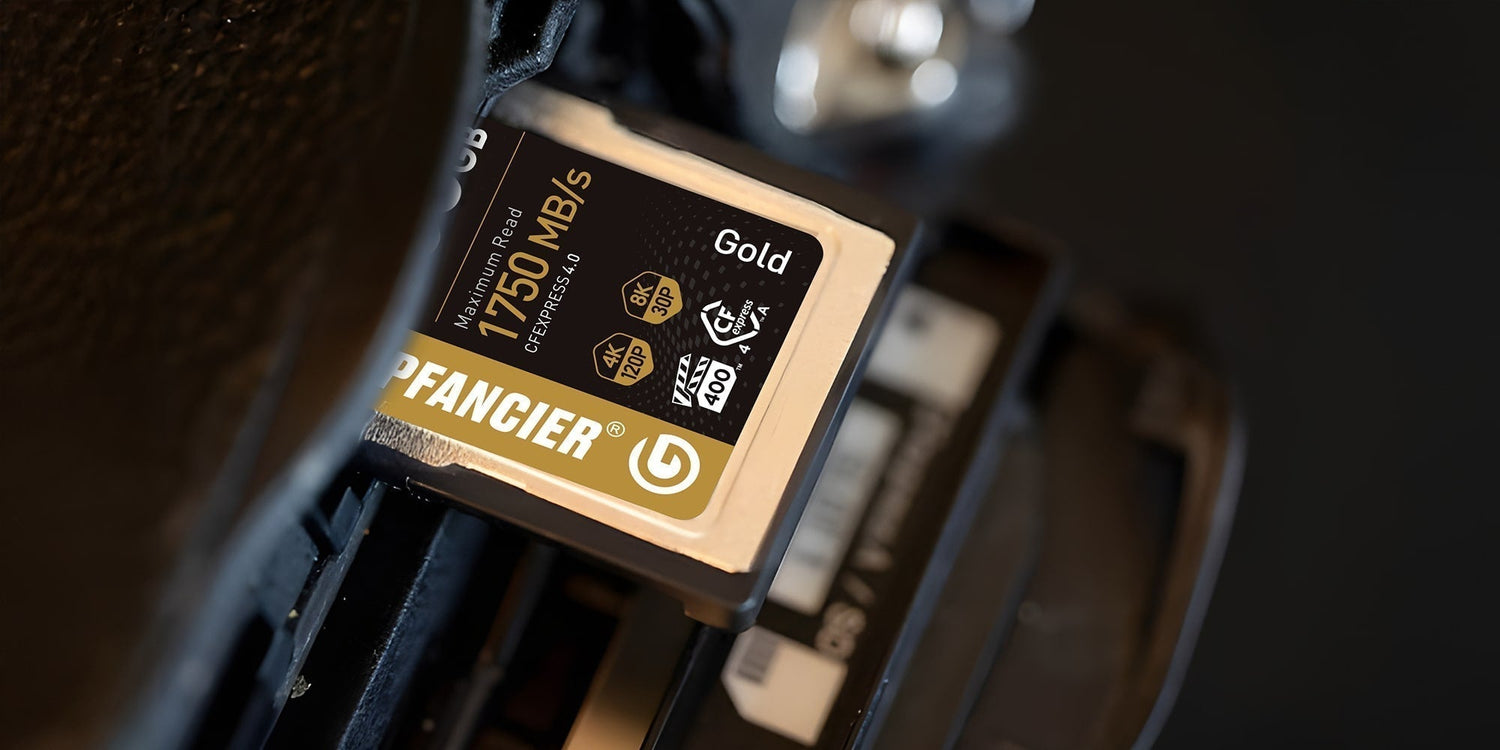
Memory cards are essential for photography and video production, including SD cards, microSD cards, and CFexpress Type A and Type B cards. Proper maintenance helps improve performance, reduce data loss risk, and extend lifespan. Although built with durable flash storage technology, all memory cards still have limited write cycles, and performance can change over time with use.
Why Memory Cards Slow Down Over Time
As memory cards are used over time, repeated writing and deleting can create data fragmentation. When files are removed, small gaps of free space remain on the card, and the controller must constantly reorganize data to manage these spaces. This process increases workload and reduces writing efficiency. In real-world usage, it can affect burst shooting performance, video recording stability, and file transfer speed, especially when working with high-resolution images or high-bitrate video files.
Using High-Quality Cards and Proper Workflow
Using high-quality professional memory cards is essential for maintaining stable long-term performance. Professional-grade cards are designed with better controllers and flash management systems, allowing them to handle continuous shooting, 4K video recording, and high-speed data writing more efficiently. It is also important to avoid frequently deleting files during shooting, as this increases fragmentation. A better workflow is to transfer files to a computer first and then format the card, which helps maintain consistent performance and reduces long-term wear.
Proper Handling and Daily Care
Correct handling is equally important for maintaining memory card health. Always insert and remove cards gently and only when the device is powered off or not writing data, as improper removal may cause file corruption. When not in use, store memory cards in a protective case to avoid dust, moisture, and heat exposure. Cleaning should be done carefully using a dry microfiber cloth to gently wipe the metal contacts, avoiding any liquid or abrasive materials.
Formatting and Health Management
Instead of simply deleting files, formatting the card in-camera is recommended as it resets the file system and optimizes data structure, improving overall performance. For high-capacity or heavy-use cards, regular formatting helps reduce fragmentation. It is also recommended to monitor card health periodically. If you notice slower write speeds or file errors, the card should be replaced to avoid potential data loss.
Conclusion
Proper memory card maintenance is essential for ensuring stable performance and data safety. By using high-quality cards, avoiding poor workflow habits, and following correct handling and storage practices, you can significantly extend the lifespan of SD cards, microSD cards, and CFexpress Type A and Type B cards. Good maintenance habits not only protect your data but also ensure reliable performance during critical photography and video work.