






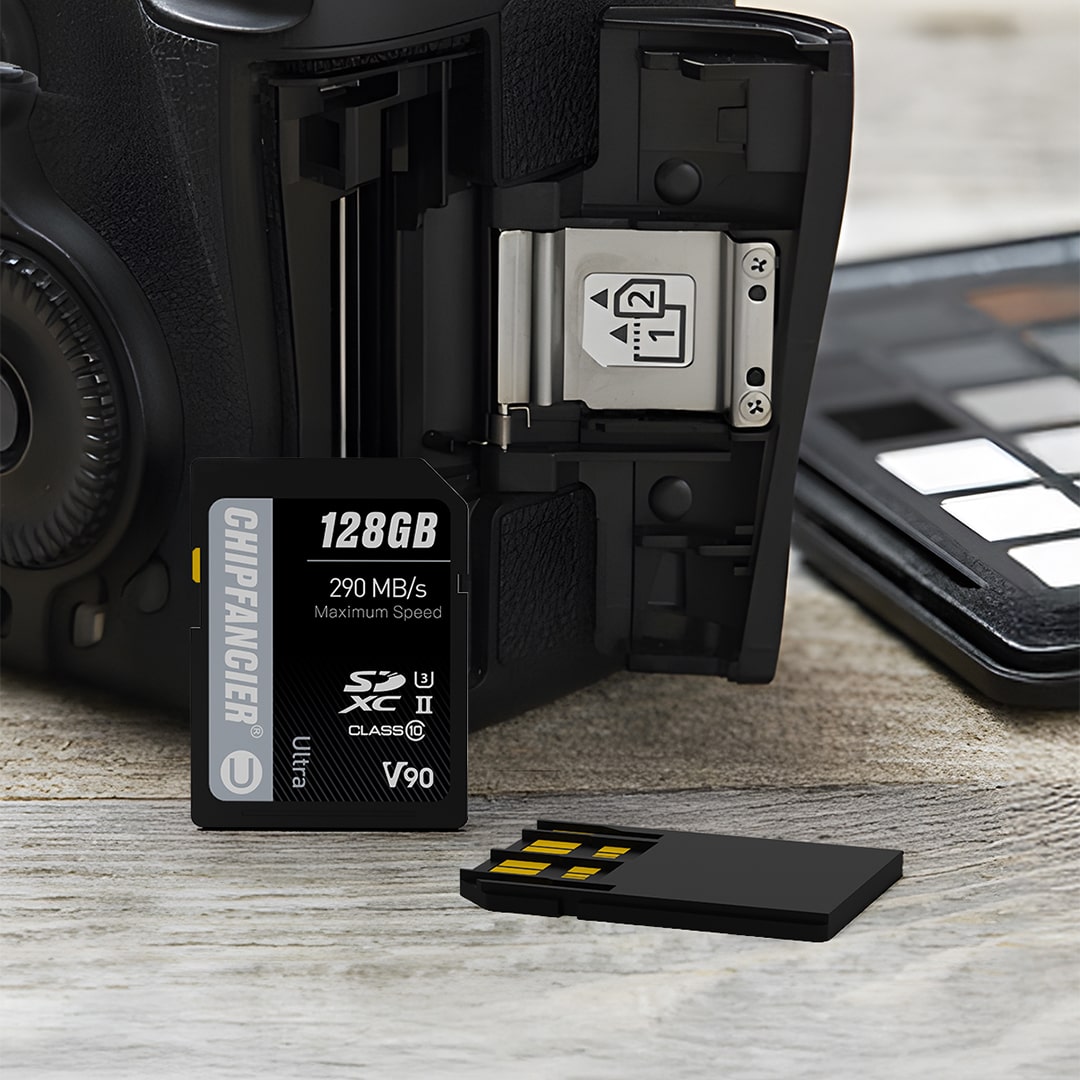










Photography is a combination of creativity and technical skills. It allows you to capture moments in a meaningful and visually appealing way. Whether you are shooting landscapes, portraits, or everyday scenes, learning the right photography techniques can significantly improve your results. In this guide, we will share 10 essential photography tips to help you take more professional-looking photos.

Rule of Thirds
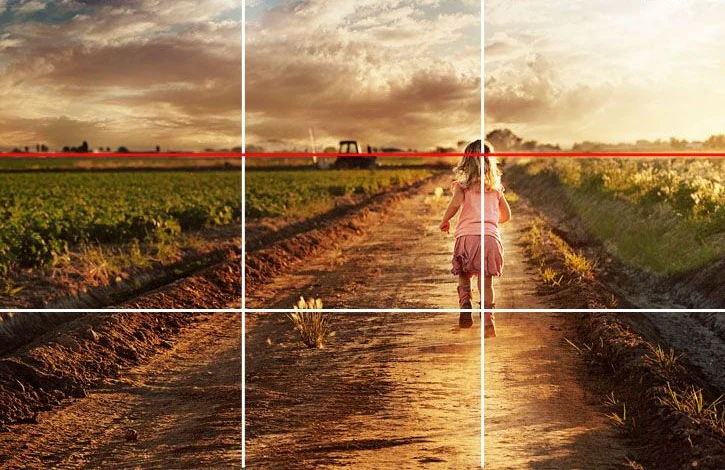
The rule of thirds is one of the most widely used photography composition techniques. By dividing your frame into nine equal sections using two horizontal and two vertical lines, you can place your subject along these lines or at their intersections to create a more balanced and visually engaging image. Turning on the gridline feature in your camera or smartphone can make it easier to apply this technique and improve framing accuracy.
Lighting and Shadows
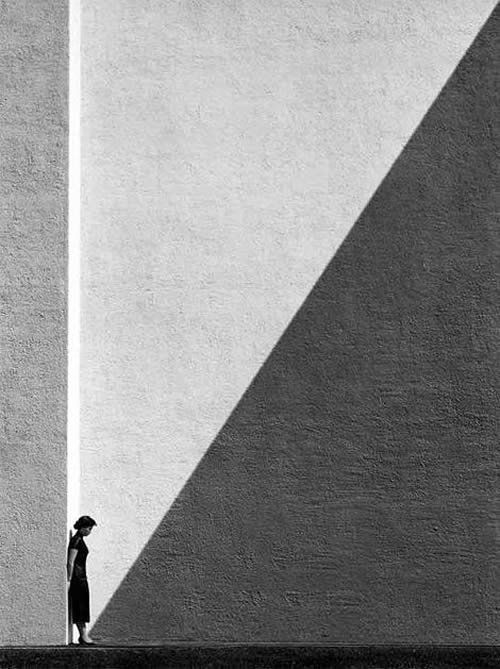
Lighting is one of the most important elements in photography and has a direct impact on image quality. Natural light often produces the best results, especially during the golden hour shortly after sunrise or before sunset when the light is soft and warm. This type of lighting naturally adds depth and atmosphere to your photos. In contrast, harsh midday sunlight can create strong shadows and overexposed highlights, so shooting in shaded areas or using diffused light can help achieve more balanced results. Using side lighting or backlighting can also enhance depth and create a more cinematic look.
Depth of Field
Depth of field refers to how much of your image appears in focus. A shallow depth of field created with a wide aperture such as f1.8 helps blur the background and draw attention to the subject, which is especially effective in portrait photography. A deeper depth of field such as f16 keeps the entire scene sharp and is often used in landscape photography. Choosing the right aperture based on your subject helps control focus and visual impact.

Leading Lines
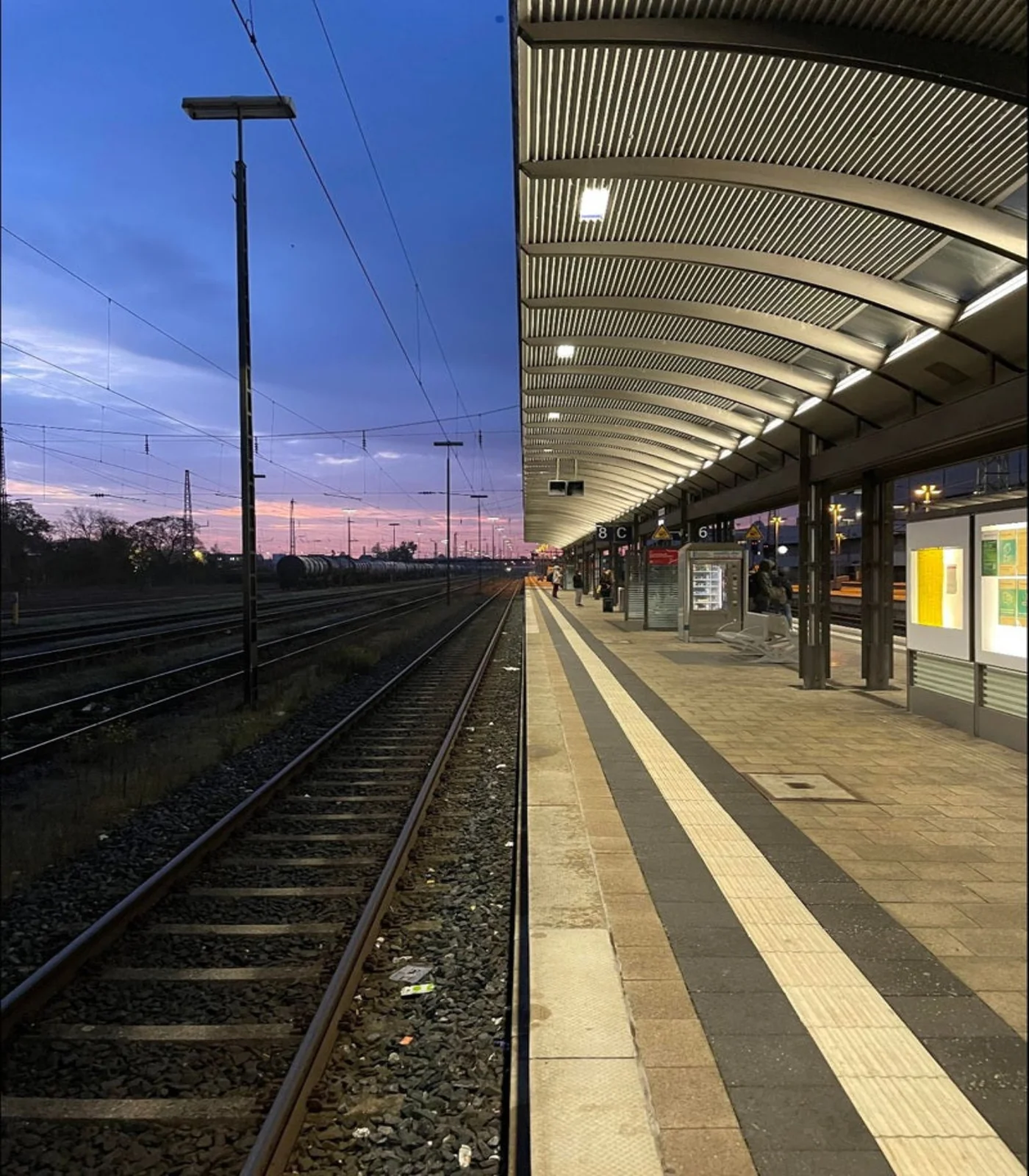
Leading lines are natural or man-made elements such as roads, rivers, fences, or architectural structures that guide the viewer’s eye toward the subject. They are an effective way to create depth and improve composition. Looking for lines in both the foreground and background helps build stronger perspective and makes the image more dynamic.
Camera Stability
Camera stability is essential for producing sharp images, especially in low-light conditions where camera shake is more noticeable. Using a tripod or placing your camera on a stable surface helps reduce unwanted motion blur. Selecting a shutter speed that is faster than your focal length also helps maintain image sharpness and prevents blur during handheld shooting.
ISO Settings
ISO controls the camera’s sensitivity to light and plays a key role in exposure. Lower ISO settings produce cleaner images with less noise, while higher ISO settings are useful in low-light environments but may introduce grain. For best results, it is recommended to use ISO 100–400 in bright conditions and increase gradually as lighting decreases while maintaining a balance between brightness and image quality.
Framing Your Subject
Framing helps draw attention to your subject by using elements such as windows, doors, trees, or arches within the scene. This technique adds depth and structure to your composition. Creative framing can also be achieved by shooting through objects or using reflections, which helps create more layered and visually interesting images.
Focus Control
Sharp focus is essential in photography, especially for portraits, macro, and wildlife shots. Single-point autofocus provides precise control over the focal area, ensuring your subject remains sharp. In more challenging lighting conditions or complex scenes, manual focus can offer better accuracy. In portrait photography, focusing on the eyes helps create stronger emotional impact and clarity.
White Balance
White balance affects the color temperature of your images and ensures colors appear natural. Incorrect white balance can make photos look too warm or too cool depending on lighting conditions. Adjusting white balance based on the environment or shooting in RAW format allows for greater flexibility during post-processing and helps maintain accurate color representation.
Patience and Timing
Great photography often depends on patience and timing. Waiting for the right light, subject movement, or composition can significantly improve the final result. Taking time to observe your surroundings before shooting helps you identify better angles and capture more meaningful moments without rushing the process.
Conclusion
Photography is a continuous learning journey that improves with practice and observation. By applying key photography tips such as composition techniques, lighting control, focus accuracy, and proper camera settings, you can significantly enhance the quality of your images. Whether you are a beginner or an advanced photographer, consistent practice and experimentation will help you develop your own style and create more professional-looking photos in any situation.